Introduction
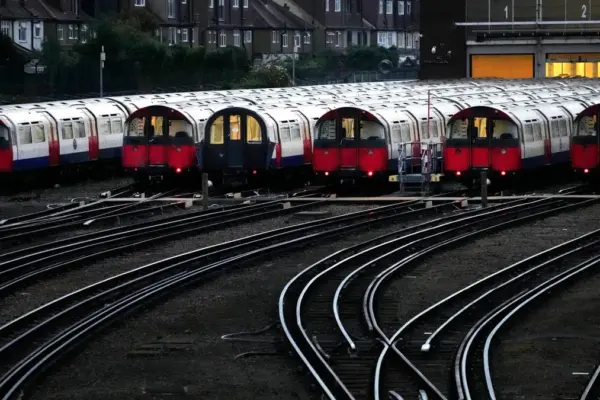
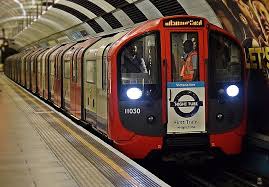
The Victoria Line, a major component of London’s Underground network, plays a crucial role in the daily commute of millions. Connecting South London to the North, this line is essential for both local residents and tourists. It efficiently links key locations in the city, serving as a lifeline for employment, education, and leisure activities in one of the world’s busiest capitals.
Current Operations and Importance
The Victoria Line, operational since 1968, spans 13.8 kilometres and has 16 stations, starting from Brixton in the south to Walthamstow Central in the north. It is known for its frequent service, with trains every 2 to 3 minutes during peak times. Recent statistics show that the line accommodates over 200,000 passenger journeys a day, highlighting its pivotal role in London’s public transport landscape.
In the past year, Transport for London (TfL) has invested significantly in improving the Victoria Line’s infrastructure. This includes upgrading trains and station facilities to better serve passengers. Recent upgrades have also focused on enhancing accessibility features across stations, ensuring that persons with reduced mobility can navigate public transport with ease.
Recent Developments and Future Plans
In light of increased passenger demand and the need for improved train safety, TfL has introduced more automated technologies on the Victoria Line. These advancements promise to reduce wait times and increase safety on the network. This includes the ongoing testing of digital signalling systems that aims to increase the frequency of services while ensuring reliability.
Another significant initiative is the planned refurbishment of several older stations on the line, such as Stockwell and Vauxhall, which will include modern amenities and better passenger information systems. Additionally, in response to climate change and sustainability goals, the Victoria Line is part of TfL’s broader strategy to reduce carbon emissions and enhance energy efficiency in transport operations.
Conclusion
As London continues to grow, the Victoria Line remains a vital transport artery, facilitating access to key areas and supporting economic activity. With ongoing developments and a clear focus on sustainability and passenger comfort, it is set to play an even larger role in the future of London’s transport network. Commuters, tourists, and residents can expect a more efficient and accessible experience as improvements unfold in the coming years.
You may also like