Introduction
The Winter Olympics, held every four years, is a time when athletes from around the globe showcase their skills in various winter sports. As nations compete not just for glory but also for supremacy in the medal standings, the Winter Olympics medal table serves as a crucial indicator of a country’s sporting prowess. Following the completion of the latest Winter Olympics in Beijing 2022, the medal table has illustrated the dominance of several key nations, while also highlighting emerging competitors.
Key Medal Table Highlights
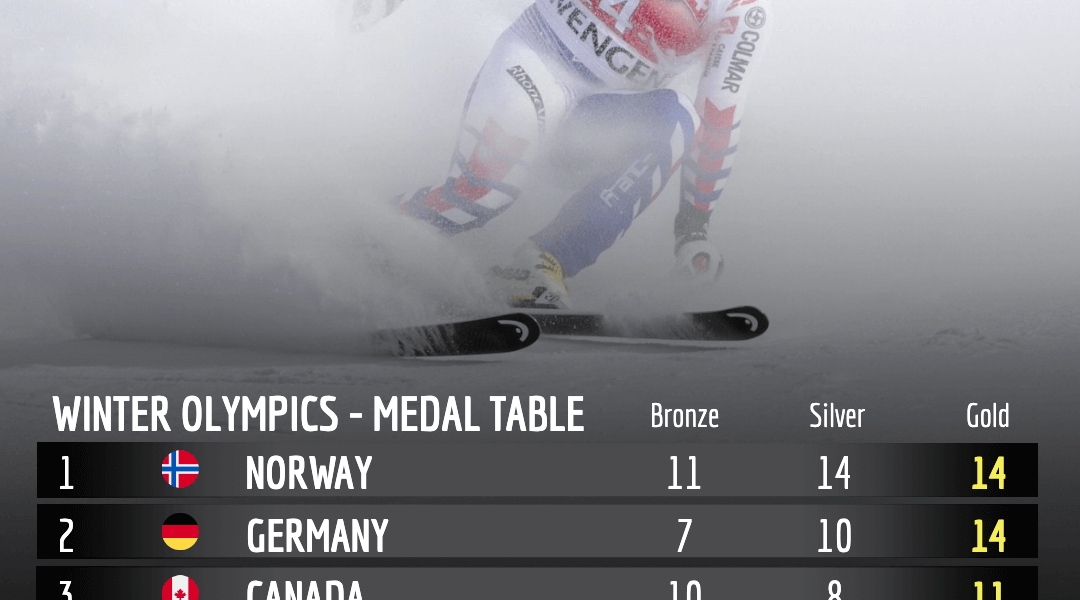
At the Beijing 2022 Winter Olympics, Norway emerged as a frontrunner, once again solidifying its status as an Olympic powerhouse. With a total of 37 medals—16 gold, 8 silver, and 13 bronze—Norway topped the medal table, a testament to their rigorous training programs and investment in winter sports. Following Norway were Germany, who amassed 27 medals, and Canada, with a notable 26 medals. These figures reflect not only the athletes’ dedication but also the support from their respective national sports federations.
One of the standout performances came from the host nation, China, which achieved its best-ever Winter Olympic result, finishing with 15 medals including 9 golds. This remarkable achievement can be attributed to increased government funding and focus on winter sports, marking a significant shift in China’s Olympic strategy.
Emerging Competitors
The recent Winter Olympics also highlighted the rise of traditionally less dominant nations in winter sports. Countries like the Netherlands and France demonstrated impressive performances, indicating a shifting landscape in the medal rankings. The Netherlands, known for its speed skating tradition, earned 17 medals, while France showcased their strength in snow sports, with a total of 22 medals—both nations are expected to continue improving their standings in future competitions.
Conclusion
The Winter Olympics medal table not only celebrates the achievements of athletes but also offers a glimpse into the future of winter sports on a global scale. As countries continue to invest in winter sports infrastructure and athlete development, we anticipate an even more competitive environment in the upcoming Winter Games. This shift may redefine national standings in the medal table and inspire new generations of athletes to aim for Olympic success. The next Winter Olympics, scheduled for 2026 in Milan-Cortina, will be a critical opportunity for nations to reassess their strategies and reclaim or enhance their positions in the medal rankings.
You may also like