Introduction
The World Health Organization (WHO) plays a critical role in global health by providing leadership on international public health issues. Established in 1948, the WHO has worked tirelessly to combat diseases, promote health, and increase access to healthcare worldwide. Its relevance has surged in recent years, particularly in response to the COVID-19 pandemic, which highlighted the necessity for coordinated global health strategies.
Recent Developments in Global Health
In 2023, the World Health Organization instituted an updated strategic plan focusing on health equity and non-communicable diseases. Following the COVID-19 pandemic, the organization prioritised strengthening health systems in low-income countries. This initiative aims to ensure that responses to health crises are robust and resilient, capable of addressing diverse public health challenges.
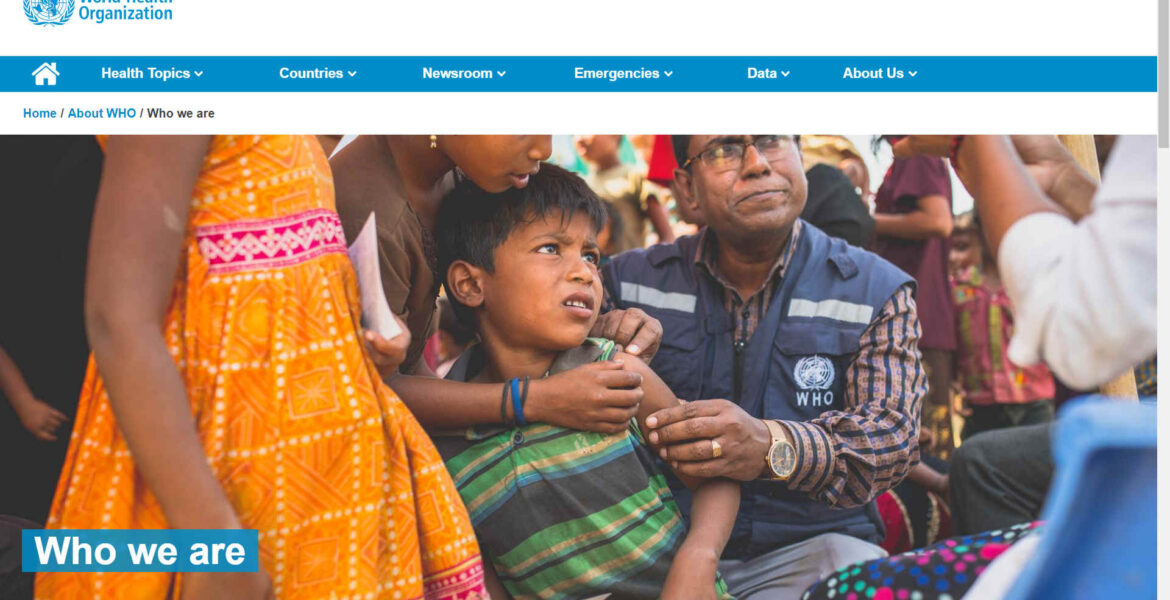
Moreover, the WHO continues to advocate for vaccination and immunisation worldwide. It has recently launched campaigns to increase vaccination rates in regions with historically low outreach, particularly in parts of Africa and Southeast Asia. In light of several outbreaks of preventable diseases, such as measles and polio, the WHO’s increased efforts are critical to safeguarding community health and preventing future outbreaks.
Collaboration and Initiatives
The WHO collaborates with countries, non-governmental organizations, and private sector partners to implement its health initiatives. In 2023, the WHO and various stakeholders launched the “Global Health for All” initiative, which aims to provide equitable access to healthcare services, addressing the disparities exacerbated during the pandemic.
Additionally, the organisation is focusing on mental health, recognising its vital importance alongside physical health. WHO is working on guidelines and strategies to integrate mental health into primary care, which will help reduce the stigma associated and improve treatment accessibility.
Conclusion
The role of the World Health Organization is more significant than ever, especially in light of recent global health challenges. Its initiatives to create equitable health systems, increase vaccination rates, and promote mental health demonstrate a thorough understanding of the multi-faceted nature of health.
As we look to the future, the WHO’s commitment to addressing health inequalities will be vital for global public health resilience. With ongoing support and funding, the organisation’s efforts could lead to healthier communities worldwide, making it imperative for individuals and nations alike to engage with and support the WHO’s mission.
You may also like