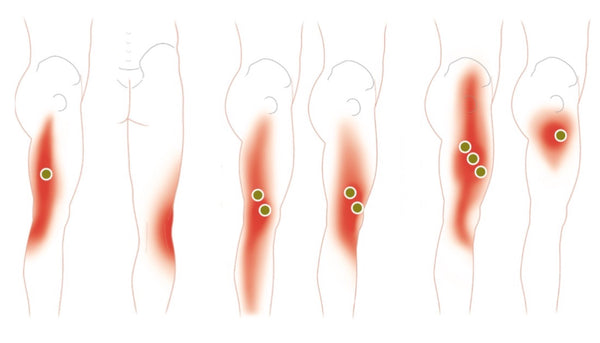
Introduction to Trigger Points
Trigger points, often referred to as muscle knots, are hyperirritable spots located within taut bands of skeletal muscle. They can cause significant discomfort and pain, impacting daily activity levels and quality of life. Understanding trigger points is crucial for individuals dealing with chronic pain, physiotherapists, and other healthcare professionals alike, as it opens the door to effective therapeutic strategies.
What Are Trigger Points?
Trigger points are defined as localized areas of muscle tissue that become sensitized to touch and pressure. They can develop due to various factors such as muscle overuse, poor posture, stress, and injury. The pain associated with trigger points can radiate, often making it difficult for individuals to pinpoint the exact source. According to recent research, around 30% of the population may experience trigger point-related pain at some stage of their lives.
Symptoms and Diagnosis
People with trigger points may experience a range of symptoms including localized pain, referred pain in other areas, and muscle stiffness. A common symptom is tenderness in the affected muscle area, along with the potential for muscle weakness. Physical therapists typically diagnose trigger points through physical examination, utilizing palpation to identify the sensitive areas and assess pain responses.
Treatment Options
Effective treatment for trigger points often involves a multi-faceted approach. Manual therapy techniques such as massage, trigger point release, and stretching can provide relief. Dry needling, an advanced technique utilized by trained professionals, also targets trigger points by inserting fine needles into the affected muscle. Additionally, self-care strategies such as heat application, exercise, and good ergonomic practices contribute significantly to reducing trigger point-associated pain.
Conclusion
Understanding trigger points is important not only for professional practitioners but also for individuals experiencing chronic pain. Awareness of the symptoms and effective treatment options may lead to improved management of discomfort and enhanced overall well-being. With ongoing research and advancements in therapy, the future looks promising for those seeking relief from the debilitating effects of trigger points. As more individuals recognise the significance of trigger points in their health journeys, it is crucial to prioritise self-care and professional advice for long-term pain management.
You may also like