Introduction to Tsunamis
Tsunamis represent one of the most powerful and destructive natural phenomena on Earth. Often mistaken for regular waves, tsunamis are a series of ocean waves caused primarily by seismic shifts, such as earthquakes, volcanic eruptions, or underwater landslides. As climate change intensifies seismic activity and global populations rise along coastlines, understanding tsunamis becomes increasingly critical for safety, preparedness, and response efforts.
Recent Events Highlighting Tsunami Risks
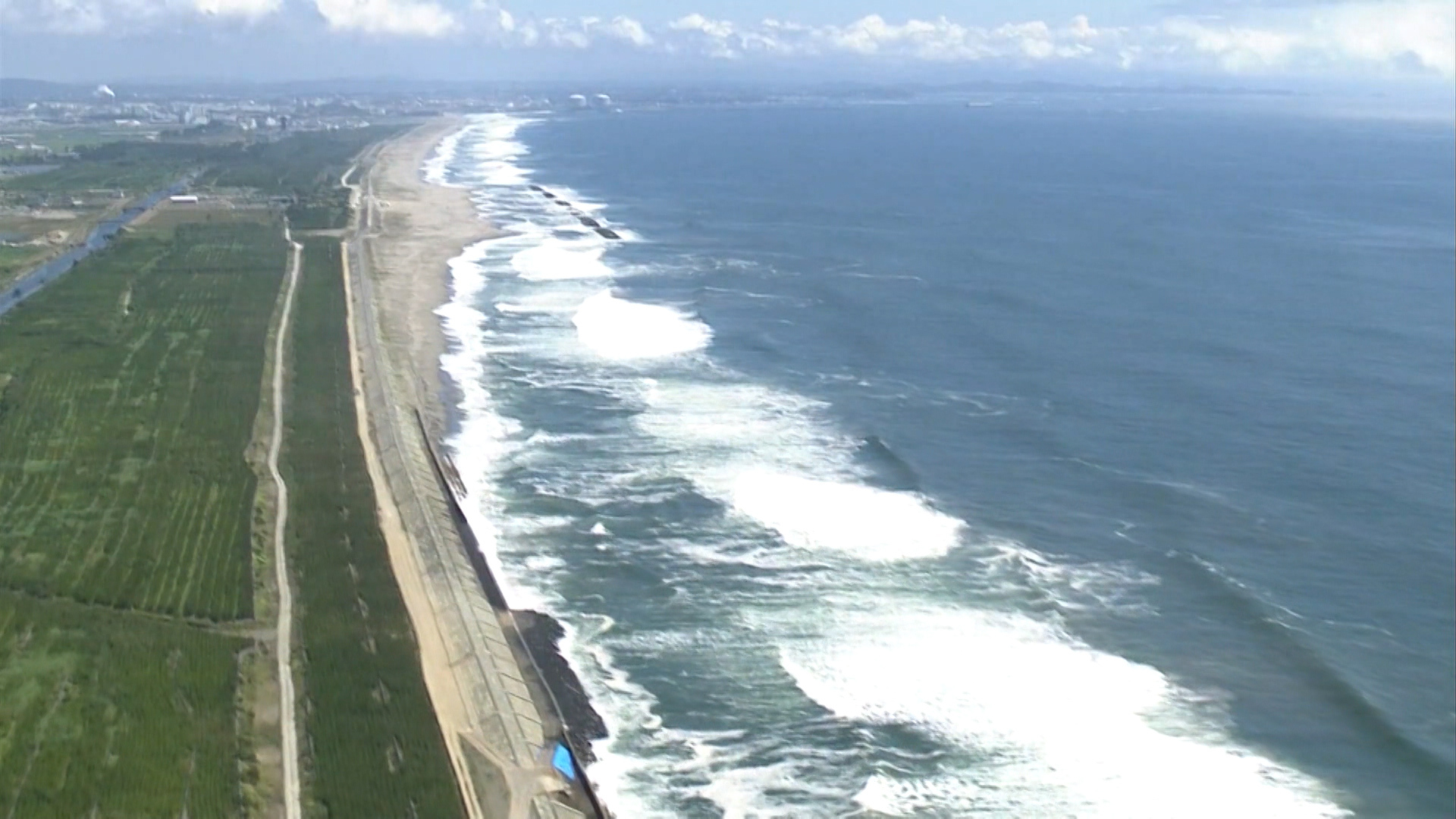
On March 16, 2023, a 7.2 magnitude earthquake struck off the coast of Japan, triggering tsunami warnings across the Pacific region. Although the tsunami waves were small, measuring only a few feet in height, the event served as a stark reminder of the ongoing risk faced by coastal communities. Japan’s rigorous tsunami preparedness protocols—developed following the devastating 2011 Tōhoku earthquake—were put into action, proving effective in mitigating panic and ensuring safety.
Understanding Tsunami Mechanics
Tsunamis can travel across entire ocean basins at speeds of up to 500-800 km/h, typically unnoticed by ships at sea. However, as they reach shallower coastal waters, the waves slow down and increase in height, sometimes reaching over 30 meters upon landfall. Scientists, including geophysicists and oceanographers, are continuously working to improve early warning systems. These systems play a critical role in providing timely alerts, enabling evacuations and potentially saving lives.
Impact on Communities
The impact of tsunamis extends far beyond the immediate loss of life and damage to infrastructure. Economies of affected regions can suffer long-term consequences as tourism declines and fisheries are disrupted. Mental health issues often arise due to trauma and loss. Recovery efforts can take years, highlighting the necessity for effective disaster preparedness and resilient infrastructure design in vulnerable coastal areas.
Preparedness and Safety Measures
In light of these events, it is essential for coastal communities to invest in tsunami preparedness. Local governments should develop comprehensive evacuation plans, conduct regular drills, and establish clear communication strategies. Public education campaigns can empower residents with knowledge on identifying risk zones and understanding tsunami warning signals.
Conclusion
In conclusion, tsunamis pose a serious threat to coastal inhabitants worldwide, further exacerbated by the combined challenges of climate change and urban expansion. Awareness and preparation are the first lines of defence against these natural disasters. By improving monitoring technology, enhancing education, and fostering community resilience, we can significantly reduce the devastating impacts of future tsunamis.
You may also like