Introduction to TV Licences
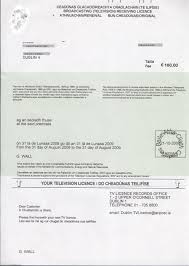
The TV licence is a crucial aspect of broadcasting regulations in the United Kingdom. It is a legal requirement for anyone watching live television or using the BBC iPlayer service to have a valid licence. With the growing consumption of media on different platforms, understanding the need for a TV licence has never been more significant, particularly as the BBC contemplates changes to its funding model.
Current Developments and Changes
In recent months, there have been significant discussions surrounding the future of the TV licence in light of the changing landscape of media consumption. The BBC has faced pressure to adapt to the rise of streaming services and altered viewing habits. As a result, the government is reviewing the current TV licence funding model, and proposals are being considered which may include alternatives to the traditional licensing system.
According to a recent survey by Ofcom, over 80% of adults watch content through streaming services like Netflix and Amazon Prime, indicating a decline in traditional TV consumption. Consequently, the BBC might need to rethink how it generates income while still delivering public service broadcasting. There are ongoing debates about whether the TV licence fee should be abolished or reformed, with some advocating for a subscription-based model, similar to other platforms.
Impact on Viewers and Future Implications
The consequences of any changes to the TV licence model will be significant for viewers. If reforms lead to the removal of the TV licence fee, which currently stands at £159 per year for most households, there is concern about the potential decline in the quality and breadth of BBC programming. Conversely, a subscription model could result in a shift in content availability or prioritisation based on profitability rather than public interest.
While the consultation on this issue remains open, viewers are encouraged to stay informed. Current policies still require households to pay for a TV licence if they watch live television or use on-demand services provided by the BBC, regardless of their use of alternative streaming platforms.
Conclusion
The ongoing discussions around the TV licence are emblematic of broader changes in the media landscape. With the rapid shift towards digital consumption, the regulatory environment surrounding broadcasting is under scrutiny. For consumers, understanding the implications of these developments is paramount – as the landscape of media continues to evolve, so too will the methods of funding that underpin public service broadcasting in the UK.
You may also like