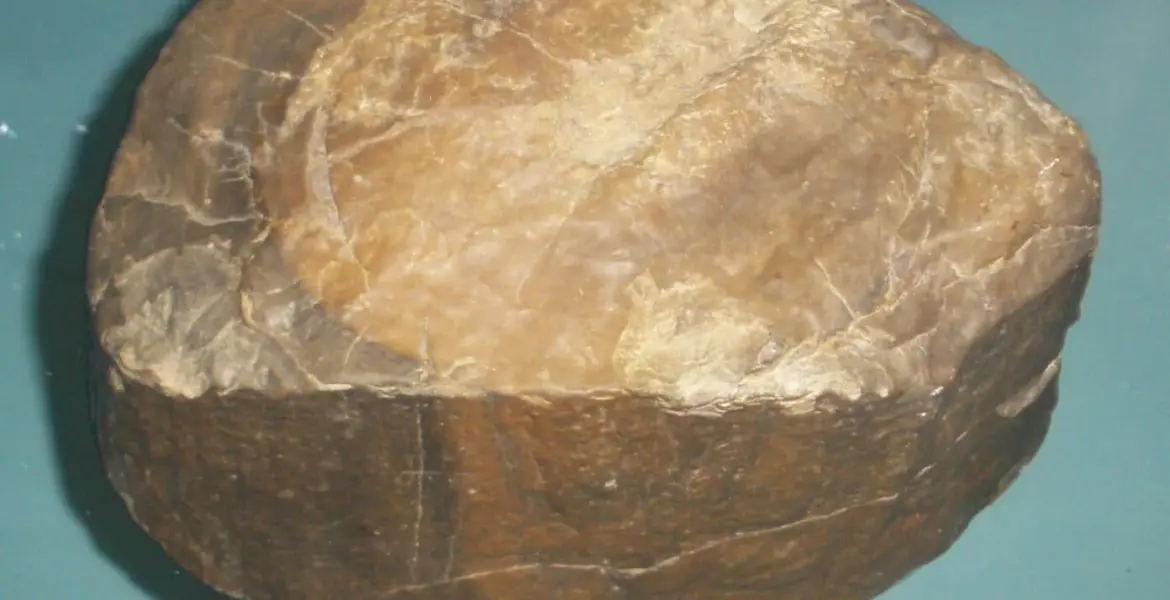
Introduction to Prototaxites
The discovery of Prototaxites fossils has intrigued paleontologists and fossil enthusiasts alike, primarily due to their unique characteristics and the insight they provide into prehistoric plant life. These ancient organisms, thought to have existed around 420 million years ago during the late Silurian to early Devonian periods, have been pivotal in understanding the evolution of terrestrial ecosystems. Recent findings in Scotland have reignited interest in these enigmatic fossils, prompting further research into their ecological roles.
Discoveries in Scotland
In 2023, a team of researchers from the University of Edinburgh unearthed a series of Prototaxites fossils in a remote area in the Scottish Highlands. This location is part of a sedimentary rock formation that has been known for its rich fossil record. The team, led by Dr. Margaret Reid, has identified well-preserved specimens that not only highlight the morphology of Prototaxites but also suggest its potential interactions within ancient forest ecosystems.
The fossils found in Scotland showcase the towering growth of Prototaxites, which could reach heights of up to 8 metres, resembling tree-like structures but possessing traits akin to fungi. This has led to debates within the scientific community regarding whether Prototaxites should be classified as ancient plants or fungi, with some researchers favouring the idea of a unique, previously undefined life form.
Significance of the Findings
The relevance of these findings extends beyond mere classification. Understanding Prototaxites can offer insights into how early terrestrial ecosystems functioned and evolved. Research indicates that these organisms may have played a significant role in soil formation and stabilization, affecting the biodiversity development of plant life that followed millions of years later.
Moreover, these findings contribute to ongoing research into prehistoric climate conditions, as the presence of Prototaxites may reflect significant changes in the Earth’s atmosphere, particularly regarding oxygen levels and carbon dioxide absorption. Such factors had profound impacts on the Earth’s climate and environment, laying the groundwork for the rich biodiversity we observe today.
Conclusion and Future Research
The discoveries of Prototaxites fossils in Scotland are a thrilling addition to the field of paleobotany and continue to spark interest and investigation. As scientists strive to decode the mysteries surrounding these ancient organisms, further excavations and technological advancements in dating and analysis may yield even more significant findings. The implications of this research could enhance our understanding of past life on Earth and the evolutionary pathways that led to the flora we are familiar with today, marking Prototaxites as not just a fossil of the past, but a crucial piece of the Earth’s biological legacy.
You may also like