Introduction
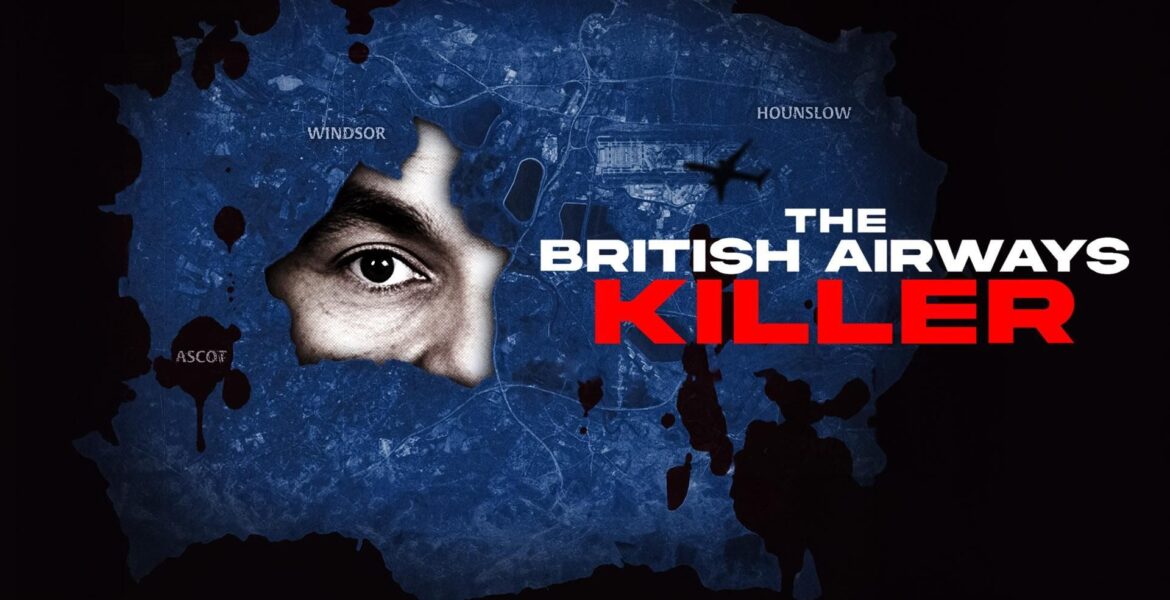
The term ‘British Airways killer’ refers to a chilling incident that unfolded over three decades ago, which continues to reverberate within the aviation community and law enforcement. This haunting tale of personal vendetta and murder raises pivotal questions regarding security in air travel and the measures taken to safeguard passengers aboard commercial flights.
The Background of the Case
The infamous case dates back to 1993 when British Airways flight 5390 was targeted in a shocking incident that saw the pilot, Tim Lancaster, ejected from the cockpit due to a cockpit window failure, caused by a series of grievous lapses. The flight managed to land safely, but the incident spurred an extensive investigation and a re-evaluation of cockpit security measures, ultimately deeming it a wake-up call for the aviation industry.
Key Events and Developments
Despite the pilot surviving the ordeal, the investigation took a darker turn when subsequent inquiries led authorities to examine the case of former British Airways employee, who was found to have a past littered with violent outbursts and was eventually dubbed ‘the British Airways killer’. The suspect was apprehended and implicated in several other misdemeanours and violence against fellow crew members, raising alarms about employee vetting and monitoring.
In recent developments, new evidence continues to emerge, pointing toward a systemic failure in maintaining stringent safety protocols that could have potentially prevented such a harrowing incident. This case has prompted a nationwide discussion regarding the necessity of psychological evaluations for airline employees, aimed at preventing not only targeted attacks but also ensuring overall personnel wellness.
The Ongoing Impact on Aviation Safety
The ‘British Airways killer’ incident has since become a cornerstone case in aviation security discussions. Airline companies around the globe have taken note, aligning their employee screening processes with heightened security regulations to protect both staff and passengers. Since then, the International Air Transport Association (IATA) has recommended the implementation of continuous surveillance and psychological assessments for aviation staff to boost workplace safety and security.
Conclusion
The legacy of the British Airways killer serves as a haunting reminder of the vulnerabilities that exist even in the most secure environments. As the aviation industry continues to evolve with technological and procedural advancements, the lessons learned from this case remain significant. In a world where safety standards must constantly adapt to address emerging threats, the authorities’ commitment to ongoing improvements is crucial for maintaining passenger confidence in air travel. The hope is that history will not repeat itself, and that measures taken today will ensure a safer tomorrow for all who take to the skies.
You may also like