Introduction
The recent wet wipes warning issued by environmental and health authorities has raised significant concerns across the United Kingdom and beyond. As disposable wipes gain popularity for their convenience, the implications of their use on health and the environment are coming under scrutiny. This article highlights the critical issues surrounding wet wipes, urging consumers to reconsider their use.
The Issue with Wet Wipes
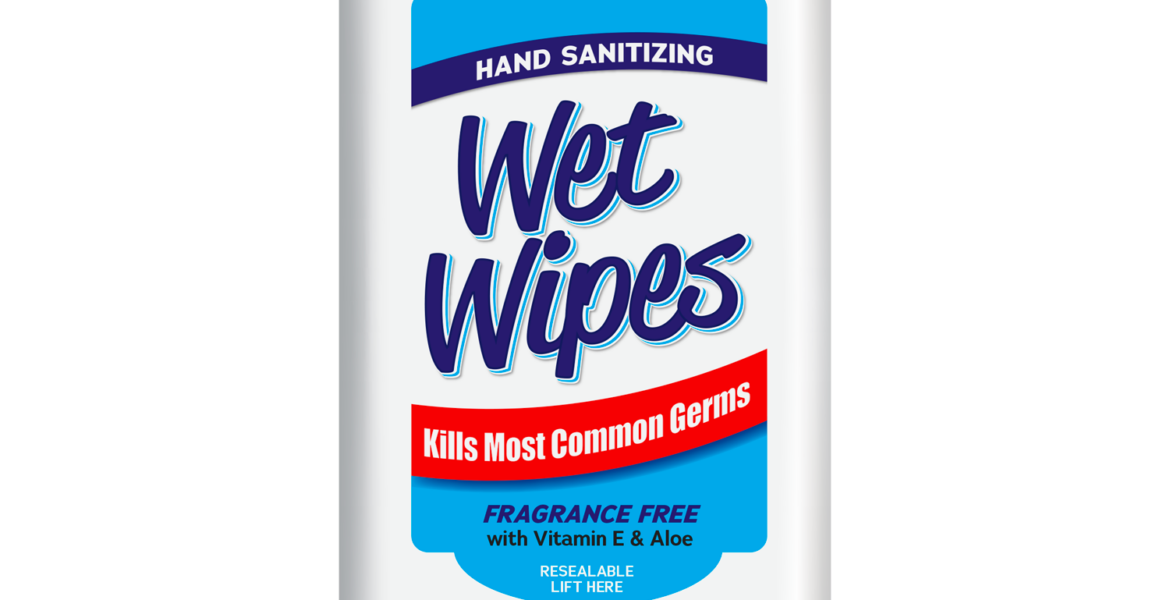
Catering to a wide range of uses, from personal hygiene to household cleaning, wet wipes have become a staple in many households. However, the ease of disposal often leads to irresponsible behaviours, with many users flushing these products down toilets. According to data from Water UK, approximately 93% of blockages in sewers are attributed to wet wipes, leading to costly infrastructure repairs and environmental fallout.
Health Risks Associated with Wet Wipes
Beyond their environmental impact, wet wipes can pose health risks as well. Many wipes contain chemicals, fragrances, and preservatives that can irritate the skin and cause allergic reactions. Health professionals warn that excessive use, particularly on sensitive skin areas, can lead to dermatitis and other skin conditions. Furthermore, increased exposure to harmful ingredients from wipes can have long-term health implications.
Regulatory Responses and Campaigns
In response to these growing concerns, several local authorities and environmental organisations have launched campaigns advocating for better disposal practices. The phrase ‘Only flush the 3 P’s’—pee, paper, and poo—has gained traction as a simple guideline for responsible bathroom habits. Additionally, some manufacturers are beginning to shift towards biodegradable alternatives, however, the market remains largely dominated by traditional wet wipes.
Conclusion
The wet wipes warning is more than just a call to action; it’s a comprehensive look at the impact that disposable products have on our health and environment. Consumers are encouraged to reassess their reliance on single-use wet wipes and consider alternatives such as reusable cloth wipes or other eco-friendly products. By doing so, we can reduce sewer blockages, minimize health risks, and contribute to environmental sustainability. The collective choice of consumers today will determine the environmental landscape of tomorrow.
You may also like