Introduction
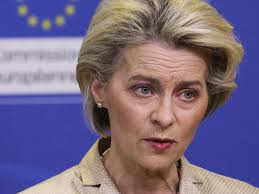
Ursula von der Leyen, the first female President of the European Commission, has been at the forefront of key political decisions in Europe since her appointment in December 2019. Her leadership is particularly significant in light of challenges such as climate change, the COVID-19 pandemic, and geopolitical tensions. Von der Leyen’s influence represents not only a change in gender dynamics within European leadership but also a renewed approach to Europe’s future resilience and unity.
Key Achievements and Initiatives
Under von der Leyen’s leadership, the European Commission has launched several ambitious initiatives aimed at addressing some of the most pressing issues facing the EU today.
One of her hallmark initiatives is the European Green Deal, which aims to make Europe the first climate-neutral continent by 2050. This strategic plan involves significant investments in green technologies and aims to reduce greenhouse gas emissions by at least 55% by 2030. Her commitment to environmental sustainability has garnered support among member states, although dissent exists regarding the economic implications for various industries.
Additionally, she played a pivotal role in managing the EU’s response to the COVID-19 pandemic. Von der Leyen oversaw the procurement and distribution of vaccines across member states, ensuring equitable access for all EU countries. This rapid response highlighted her administrative capabilities and her strong advocate stance for collaborative health initiatives, despite criticism over initial vaccine rollout speeds.
Moreover, von der Leyen’s foreign policy approach has been heavily scrutinised, especially regarding relations with Russia and China. She has firmly stood by sanctions against Russia following the invasion of Ukraine, advocating for a unified European front while navigating complex international relations.
Conclusion
As Ursula von der Leyen continues her term, her leadership style and decision-making process will be critical in shaping the future of the European Union. With various challenges arising, including economic recovery post-COVID-19 and escalating climate issues, her policies will determine how effectively Europe can present a united and resilient front.
Looking ahead, it is expected that von der Leyen will continue to prioritise sustainability and unity within the EU. The long-term implications of her presidency will likely define Europe’s path for years to come, making her role not only historically significant but also crucial for future generations.
You may also like