The Escalating Conflict
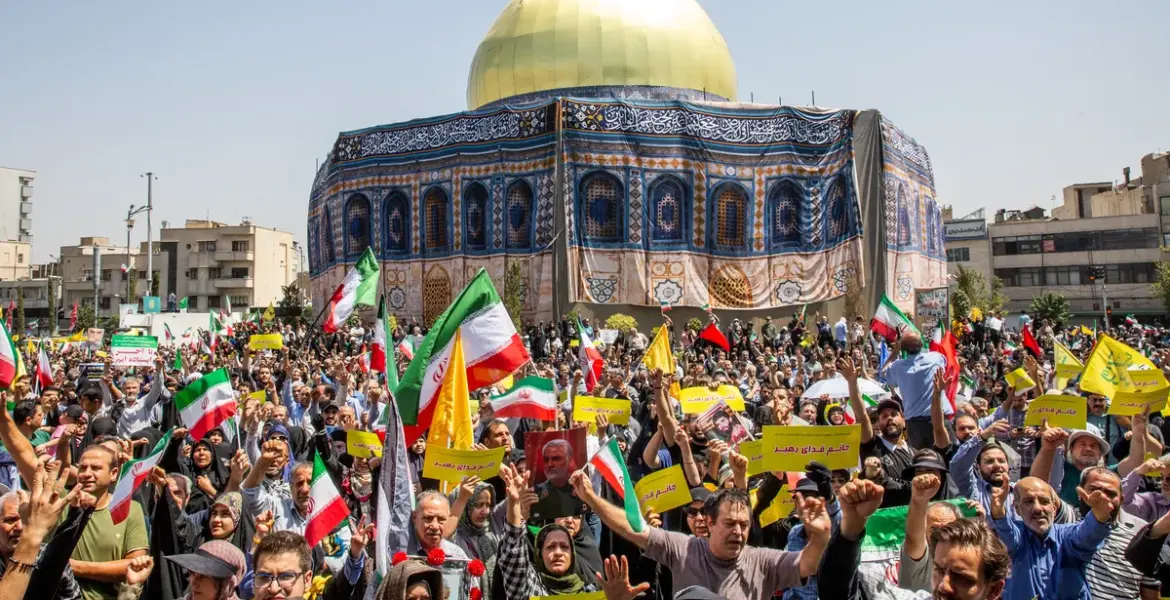
The current conflict between the US, Israel, and Iran has escalated significantly since February 28, 2026, following the assassination of Supreme Leader Ayatollah Ali Khamenei. This event has triggered a series of retaliatory strikes, with Iran launching attacks across nine countries, specifically targeting US military presence and civilian infrastructure in the Gulf states.
As a result of the ongoing hostilities, at least 1,255 deaths have been reported in Iran, 570 in Lebanon, 13 in Israel, and eight US soldiers. Iran claims that US and Israeli forces have bombed nearly 10,000 civilian sites within its borders since the war began, highlighting the extensive damage inflicted on its infrastructure.
Financial and Economic Implications
The financial burden of the first 100 hours of Operation Epic Fury has cost the US approximately $3.7 billion, raising concerns about the long-term economic impacts of the conflict. Additionally, the war has caused Brent crude oil prices to exceed $100 a barrel, leading to fears of a global energy crisis that could have far-reaching consequences beyond the immediate region.
In response to the escalating conflict, Iran has adopted a military strategy characterized by a ‘decentralized mosaic defense’ aimed at surviving leadership losses. Following the assassination of Khamenei, Mojtaba Khamenei was appointed as the new Supreme Leader, ensuring the continuity of Iranian leadership despite the turmoil.
Military Operations and Regional Stability
The war represents unprecedented cooperation between the United States and Israel in military operations, with both nations reportedly striking more than 5,000 targets in Iran. Iran’s retaliatory strikes have targeted airports, energy facilities, and diplomatic missions, further complicating the already fragile regional stability.
Observers note that the conflict has expanded beyond Iran, affecting regional stability and global economic conditions. The June 2025 escalation had ended in a fragile truce, which has now been shattered by the current conflict, leading to increased tensions in the Middle East.
Future Uncertainties
Details remain unconfirmed regarding the ultimate objectives of the US and Israel in the war, which appear to differ between the two allies. The future course of the war remains uncertain, with possibilities of further escalation or a declaration of achieved objectives by the US. As one observer noted, “The defining feature of the war is not clarity but growing complexity,” indicating that the situation may continue to evolve in unpredictable ways.
You may also like