Introduction
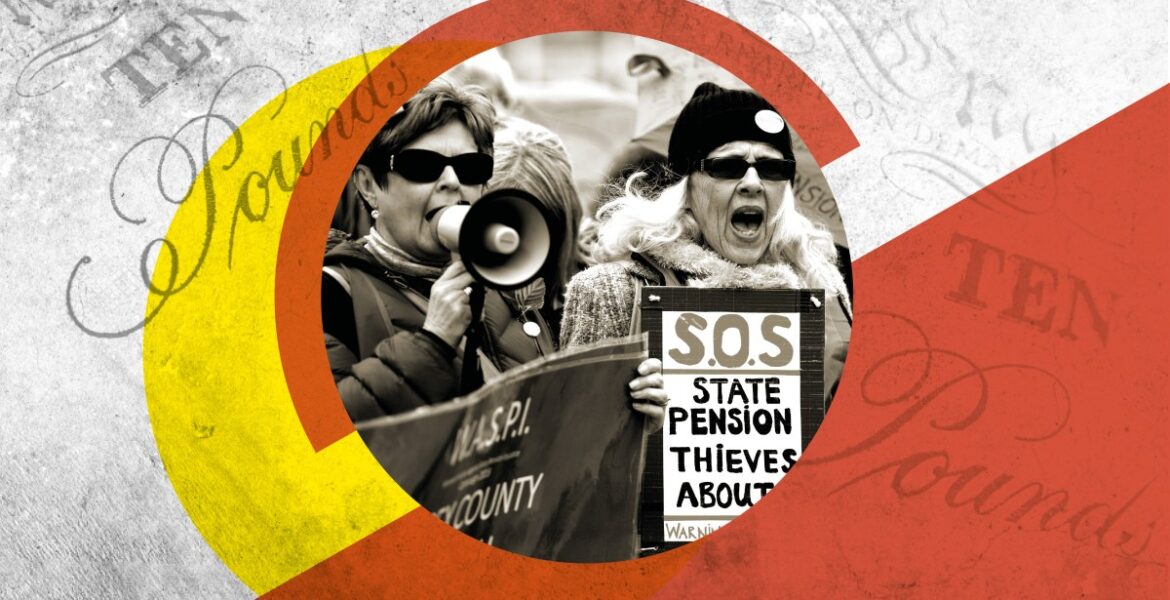
The Women Against State Pension Inequality (WASPI) campaign has brought significant attention to the issue of pension compensation for women born in the 1950s who have suffered due to changes in state pension age regulations. With over 3.8 million women affected, this issue remains pivotal not only for those directly involved but also for understanding broader implications on pension policy in the UK.
Background
In 1995, the UK government announced plans to raise the state pension age from 60 to 66 for women, a move that was further accelerated in 2011. Many women, who were not adequately informed of these changes, faced unexpected financial difficulties as they anticipated receiving their pensions at an earlier age. The WASPI campaign was launched in 2015 as a response, advocating for fair treatment and compensation for affected women.
Recent Developments
As of 2023, the UK government has faced mounting pressure from the WASPI campaign and other advocacy groups. Recent parliamentary discussions have highlighted proposals for compensation packages, reflecting a growing recognition of the hardships faced by WASPI women. Reports from the Women and Equalities Committee revealed that many affected women had incurred significant financial strain, leading to decreased quality of life.
Despite ongoing government reviews, no definitive compensation scheme has been officially adopted. However, media coverage and public discourse have significantly increased awareness, urging policymakers to reconsider the impact of their decisions on vulnerable groups.
Public Response and Impact
Public sentiment surrounding the WASPI women has been largely sympathetic, with many recognising the injustices faced by this demographic due to abrupt policy changes. High-profile endorsements and increased media visibility have kept the issue in the public eye, encouraging grassroots movements to amplify their voices. As calls for compensation grow louder, many financial analysts suggest that a resolution could lead to far-reaching implications for pension reforms in the UK.
Conclusion
The WASPI women pension compensation issue remains unresolved as of late 2023, but it continues to spark significant discussion in both political spheres and the public consciousness. As advocates push for justice, the outcome may not only reshape the pension landscape for the women affected but could also set important precedents for future pension policy reforms in the UK. The coming months will be crucial in determining whether the government will take action to provide necessary compensation and support for these women who have fought tirelessly for their rights.
You may also like