Introduction
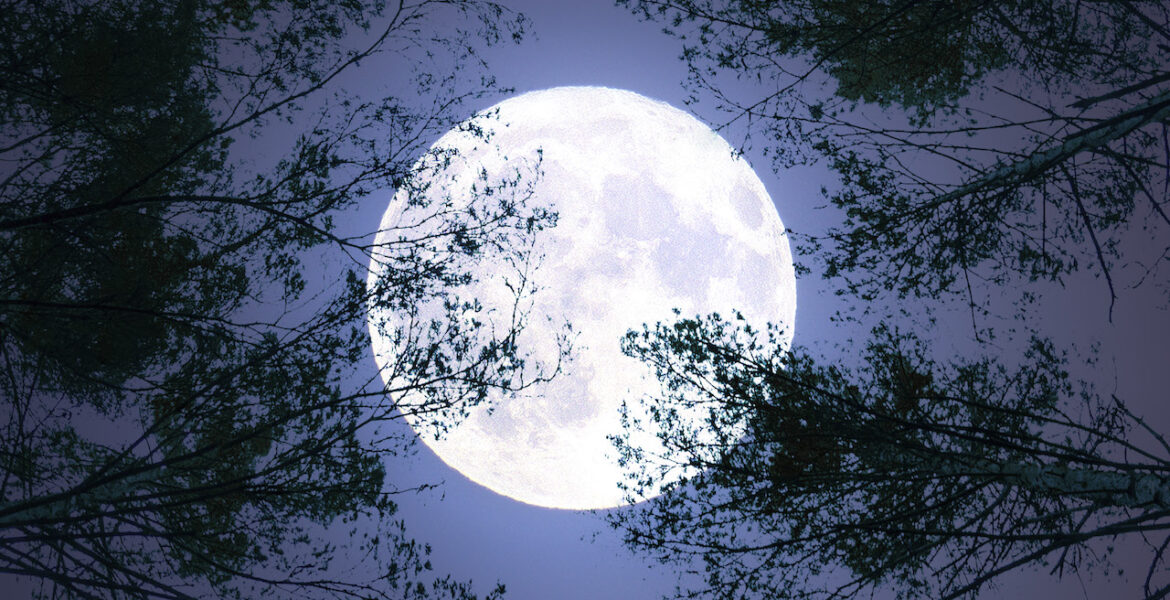
The term ‘blue moon’ has captured public interest for decades, often noted for its rarity and connection to cultural folklore. It generally refers to the second full moon occurring within a single calendar month or, in some definitions, the third full moon in a season that has four full moons. Understanding blue moons is essential not just for astronomy enthusiasts, but also for those curious about their cultural significance.
The Science Behind a Blue Moon
A blue moon is not actually blue in colour. Its name arises from a misinterpretation of an older meaning in the context of lunar cycles. Typically, a full moon occurs approximately every 29.5 days, meaning most months only have one full moon. However, about once every two to three years, there will be a month with two full moons. The second moon in that month is termed a ‘blue moon’. The most recent occurrence of a blue moon took place on August 30, 2023, which attracted many observers and photographers looking to capture this celestial event.
Cultural Significance
Beyond its astronomical definition, the blue moon has significant cultural implications. The phrase ‘once in a blue moon’ suggests rarity and reflects its infrequent appearance. Throughout history, blue moons have inspired poetry, folklore, and even music; the popular song ‘Blue Moon’ by Richard Rodgers and Lorenz Hart exemplifies this cultural tie. Additionally, many people organise gatherings and special events to celebrate these occurrences, further embedding the blue moon into social traditions.
Conclusion
In summary, the blue moon is an intriguing phenomenon that combines aspects of science and culture. Its rarity leads to excitement and provides an opportunity for communal celebration. With increasing interest in astronomy, there is a forecasted rise in awareness surrounding celestial events like the blue moon. As we move forward, future blue moons will undoubtedly continue to mesmerise and inspire us, reminding us of the enchanting universe we inhabit.
You may also like