The wider picture
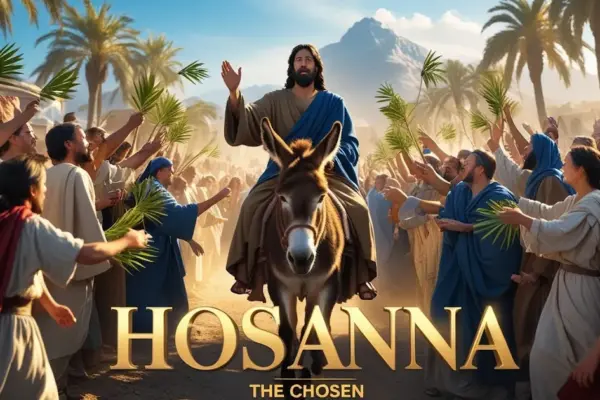
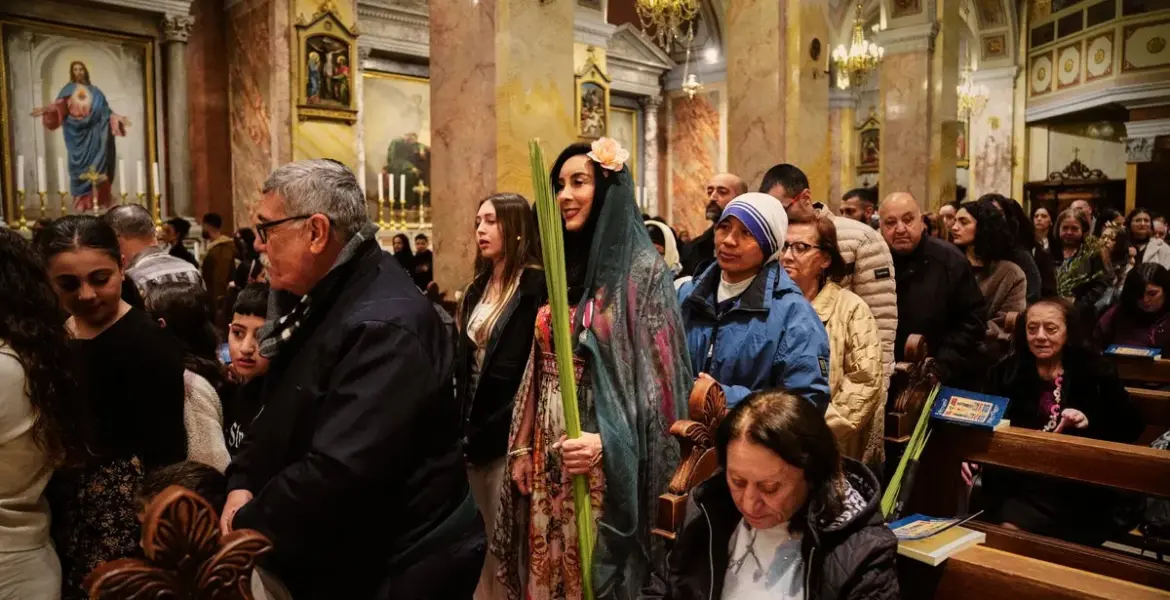
Palm Sunday, a day that commemorates Jesus’ triumphant entry into Jerusalem, is a significant occasion for Christians around the world. Traditionally, it marks the beginning of Holy Week, leading up to Easter, and is celebrated with processions, prayers, and the waving of palm fronds. However, this year, the spirit of celebration was dampened by unprecedented restrictions imposed in Jerusalem, a city that holds deep religious significance for many.
On March 29, 2026, the atmosphere in Jerusalem was tense as Israeli police barred Catholic leaders from entering the Church of the Holy Sepulchre to celebrate mass on Palm Sunday for the first time in centuries. This decision came amidst the ongoing Iran war, which has heightened security measures and led to restrictions on worshippers. The Latin Patriarchate of Jerusalem expressed deep concern over the police action, describing it as “a manifestly unreasonable and grossly disproportionate measure” that infringes on the rights of believers.
The traditional Palm Sunday procession, which typically sees tens of thousands of Christians walking from the Mount of Olives to the Old City, was notably absent this year. Instead of the usual vibrant display of faith, the streets echoed with disappointment and frustration. Farid Jubran, a local religious leader, lamented, “It’s a very, very sacred day for Christians, and in our opinion, there was no justification for such a decision or such an action.”
Italian Prime Minister Giorgia Meloni also criticized the police’s actions, calling it “an insult not only to the faithful but also to every community recognizing freedom of worship.” Her remarks reflect a broader concern among international observers regarding the implications of such restrictions on religious freedoms. The United States echoed this sentiment, labeling the incident as “an unfortunate overreach,” highlighting the delicate balance between security and the right to worship.
As tensions escalated in the region, Lebanon’s Catholics observed Palm Sunday amid the backdrop of conflict between Israel and Hezbollah. The situation has been dire, with reports indicating that at least 1,238 people have been killed and more than 3,500 wounded in Israeli attacks since the conflict reignited on March 2. The grim statistics serve as a stark reminder of the human cost of the ongoing violence.
In the midst of these challenges, the Latin Patriarchate noted that the Church of the Holy Sepulchre has been hosting masses that aren’t open to the public since the Iran war began, further complicating the religious landscape in Jerusalem. The restrictions have left many believers feeling isolated and disheartened, as they grapple with the loss of communal worship during such a pivotal time in their faith.
As the situation unfolds, observers are left wondering what the future holds for religious gatherings in Jerusalem. Emmanuel Macron, the French President, emphasized the need for the free exercise of worship in Jerusalem to be guaranteed for all religions. The hope remains that dialogue and understanding can pave the way for a more peaceful coexistence, allowing believers to gather freely and celebrate their faith without fear of restriction.
In these challenging times, the essence of Palm Sunday serves as a poignant reminder of the resilience of faith amidst adversity. While the streets of Jerusalem may have been quieter this year, the spirit of hope and unity among believers continues to shine through, even in the face of hardship.
You may also like