Introduction to Phishing
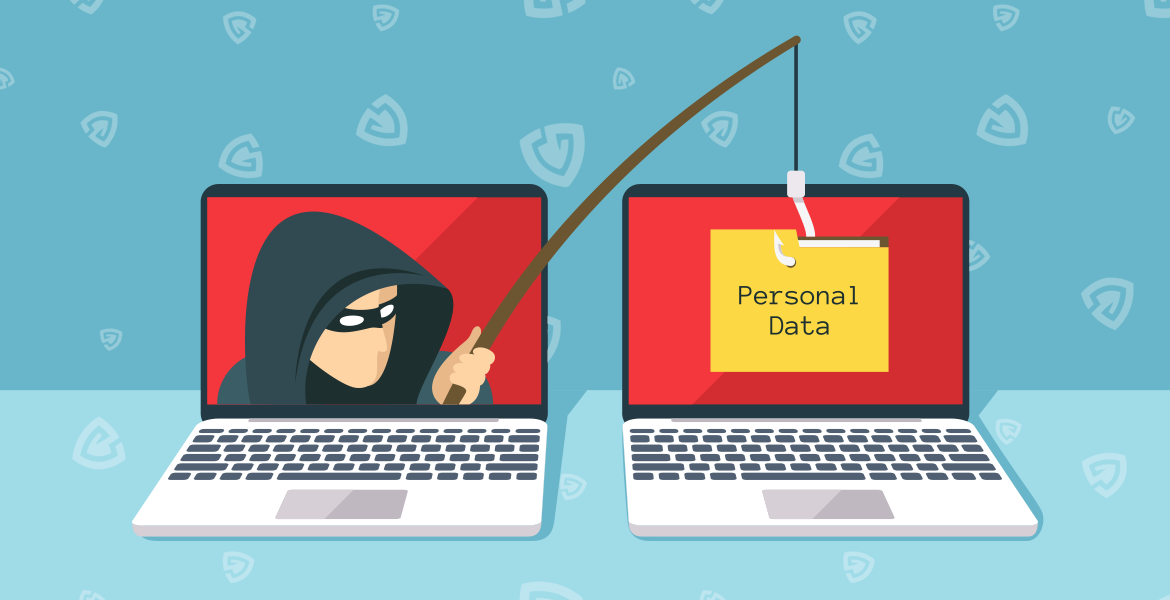
Phishing has emerged as one of the most common and dangerous forms of cybercrime in today’s digital landscape. It involves the fraudulent attempt to obtain sensitive information such as usernames, passwords, and credit card details by disguising oneself as a trustworthy entity in electronic communications. As more individuals and businesses rely on digital technology for daily operations, understanding phishing becomes critical for safeguarding personal and financial information.
The Mechanics of Phishing
Phishing can occur through various channels, including emails, Social Media, SMS messages (commonly referred to as ‘smishing’), and voice calls (‘vishing’). The basic premise involves attackers sending fake communications that appear authentic, often mimicking well-known companies or trustworthy contacts.
For example, an email might warn a user that their account has been compromised, prompting them to click a link that leads to a malicious website. These fake sites closely resemble legitimate ones, tricking users into entering their confidential information. According to reports from cybersecurity firms, phishing attacks constituted over 80% of all reported security incidents in 2022.
Recent Trends and Statistics
The frequency of phishing attacks has escalated significantly in recent years, especially in the aftermath of the global pandemic. Cybercriminals have exploited fears surrounding COVID-19 to launch targeted phishing campaigns that promise updates or information related to the virus. The Anti-Phishing Working Group noted a surge of over 220,000 phishing attacks reported in just one month during 2020, highlighting the importance of raising awareness about such threats.
Protecting Against Phishing
To protect against phishing attempts, users are encouraged to adopt a proactive approach:
- Always verify the sender’s email address or phone number before responding or clicking any links.
- Look for red flags such as poor grammar, generic greetings, or urgent requests that create a sense of panic.
- Keep software and systems updated to safeguard against vulnerabilities.
- Utilise two-factor authentication to add an additional layer of security to accounts.
Conclusion
As the digital landscape continues to evolve, so too does the sophistication of phishing attacks, making it increasingly vital for users to remain vigilant. Understanding what phishing is and its mechanisms can help individuals and businesses identify and mitigate potential risks. The significance of remaining informed cannot be overstated; a heightened awareness and proper precautions can effectively reduce the risks associated with this prevalent cyber threat.
You may also like