Introduction
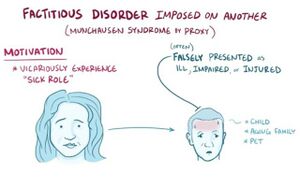
Munchausen Syndrome, a psychological disorder, is characterised by individuals feigning illness or intentionally causing harm to themselves to gain attention and sympathy. Named after the 18th-century German cavalry officer Baron Munchausen, known for embellishing tales of his exploits, this condition is a complex manifestation of emotional distress and requires careful understanding. Recognising Munchausen Syndrome is crucial not only for the affected individuals but also for healthcare providers and family members, enabling appropriate interventions and support.
Understanding Munchausen Syndrome
Individuals with Munchausen Syndrome deliberately produce symptoms of illness, which may vary widely in nature and severity. Common behaviours include fabricating medical histories, altering medical tests, or self-inflicting injuries. This psychological condition often stems from underlying issues such as trauma, low self-esteem, or a need for control. Studies indicate that individuals with this syndrome may have experienced neglect or abuse in childhood, further complicating their psychological profiles.
Recent Developments
In recent months, healthcare professionals have highlighted a rise in reported cases of Munchausen Syndrome, potentially exacerbated by the COVID-19 pandemic. The increased stress and isolation experienced during lockdowns have led to a surge in various psychological disorders, including Munchausen syndrome. A recent study from the British Journal of Psychiatry indicated that patients seeking medical help are becoming more complex and challenging to diagnose, raising concerns about the resources available for proper mental health support.
Diagnosis and Treatment
Diagnosing Munchausen Syndrome can be particularly challenging because individuals often provide convincing narratives that mislead healthcare providers. Comprehensive medical evaluations, psychological assessments, and careful observation are essential for accurate diagnosis. Treatment typically involves psychotherapy, focusing on identifying the underlying causes of the behaviours, and nurturing healthier coping mechanisms. Support from family and friends plays a significant role in promoting recovery, as these individuals often face significant emotional pain and require compassionate understanding.
Conclusion
Understanding Munchausen Syndrome is essential for fostering a supportive environment for those affected. Increased awareness among medical professionals and the general public can lead to better diagnosis and treatment options. As mental health research continues to grow, it is crucial to address the complexities of psychological disorders like Munchausen Syndrome, promoting early intervention and a comprehensive approach to care. By recognising the signs and encouraging open discussions, society can take meaningful steps towards supporting those struggling with this challenging condition.
You may also like