The Importance of the TV Licence
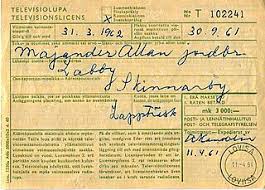
The TV licence system in the United Kingdom is a crucial component for funding the BBC, responsible for delivering quality broadcasting services to the public. As of October 2023, the TV licence costs £159 for colour and £53.50 for black and white television sets. This fee is required by law for anyone who watches or records live television broadcasts, as well as for those who use the BBC’s iPlayer service.
Recent Changes and Developments
In recent months, there have been ongoing discussions about the future of the TV licence. Critics argue that the licence fee is outdated in the era of streaming services and on-demand content. According to a recent survey by Ofcom, a significant number of people under the age of 30 prefer subscription-based services and are less inclined to pay for a traditional TV licence. In response, the BBC has been making efforts to adapt by expanding its on-demand offerings and integrating more digital content.
Moreover, the government has been scrutinising the effectiveness of the TV licensing system following the rise of platforms like Netflix and Amazon Prime Video, which do not require a TV licence. In August 2023, BBC Director-General Tim Davie stated that the corporation must explore alternative funding models to ensure sustainability in the changing media landscape.
Public Sentiment and Legal Consequences
Public opinion on the TV licence remains divided. While many recognise the value of the BBC in providing impartial news and diverse programming, others view the fee as a burden, particularly in households where citizens do not watch live TV. There were reports of increased evasion rates in recent months, attributed to rising costs of living and a growing belief that the licence fee is no longer a justified expense.
It is crucial for viewers to understand that failing to pay for a TV licence can result in legal action, including fines of up to £1,000. As of last year, more than 70,000 people were prosecuted for unlicensed viewing, indicating the seriousness of compliance with the regulation.
Conclusion and Future Outlook
The future of the TV licence in the UK is uncertain, with debates around reform and alternative funding models gaining momentum. As viewing habits continue to evolve, the government and BBC will need to reassess the relevance of the licence. For consumers, it remains essential to stay informed about legal obligations related to TV licences, as the landscape is likely to change significantly in the coming years. Whether the licence fee will continue to exist in its current form or be replaced by a subscription model requires careful consideration and input from the public at large.
You may also like