Introduction
The role of a football manager is often pivotal to the success of a professional team, and this is certainly the case for Wolverhampton Wanderers, known as Wolves. With the Premier League being one of the most competitive football leagues globally, the impact of managerial decisions on team performance cannot be understated. Recent events surrounding the Wolves manager position have significant implications for the club’s future in the league.
Recent Developments
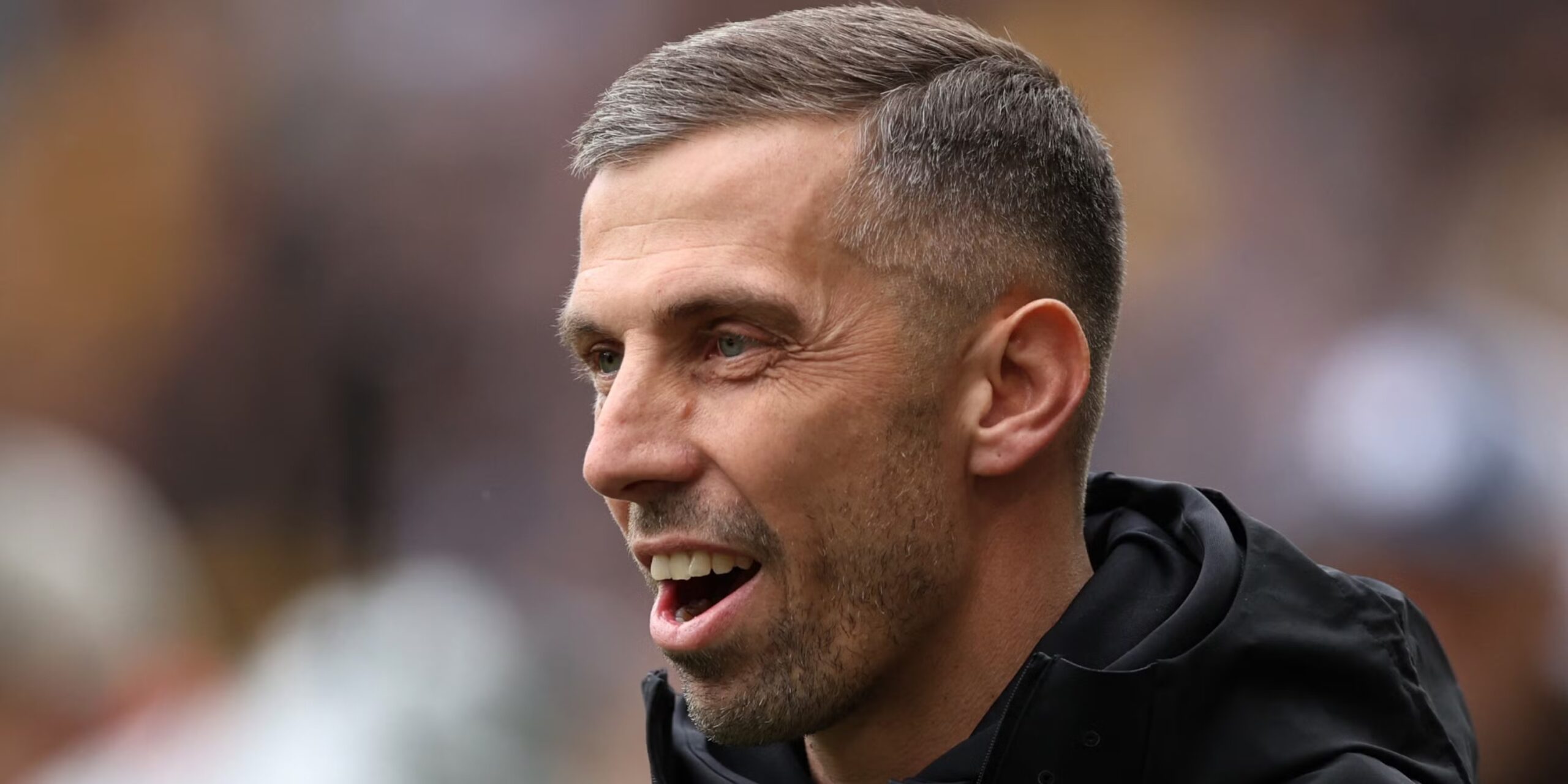
As of October 2023, Wolves have seen a shake-up in their managerial staff following a series of disappointing performances this season. The team, founded in 1877, brought in new manager, Gary O’Neil, after sacking Bruno Lage due to a string of poor results that left the club hovering near the relegation zone.
Gary O’Neil, previously the manager of Bournemouth, was appointed with the aim of stabilising the club and implementing a clear game plan. His managerial debut on 21st October resulted in a hard-fought 2-1 victory against Crystal Palace, a crucial win that has instilled hope among fans and players alike. Under his management, the team is expected to focus on defensive solidity and improving their attacking efficiency.
Challenges Ahead
Despite the recent victory, O’Neil faces several challenges moving forward. Key players such as Pedro Neto and Raul Jimenez have been struggling with injuries, affecting the team’s attacking options. Additionally, there is pressure to quickly integrate the new signings made during the summer transfer window into the squad.
The upcoming schedule presents a mix of tough fixtures, including matches against established teams like Manchester City and Arsenal. These games will test O’Neil’s tactical approach and the team’s ability to adapt under pressure. The Wolves board has outlined a clear expectation for the squad to remain in the Premier League, knowing that relegation could severely impact finances and morale.
Conclusion
The future of Wolves hinges on their ability to adapt under their new manager, Gary O’Neil. His track record suggests he has the potential to turn the squad’s fortunes around, but immediate results are necessary to alleviate concerns among fans and stakeholders. As the club navigates through the remaining fixtures of 2023, all eyes will be on whether they can build on their recent success and capture a more consistent form. For supporters, the hope is that O’Neil’s leadership will herald a new era for Wolves, steering them away from relegation battles and towards a more prosperous future in the Premier League.
You may also like