Who is involved
The anticipation surrounding the World Cup has always been palpable, with fans eagerly awaiting the fixtures that will determine the fate of their beloved teams. Traditionally, the tournament has been a showcase of the world’s best footballing nations, but as we look ahead to 2026, the landscape is set to change dramatically. For the first time, the World Cup will feature an expanded format with 48 teams competing, a significant increase from the previous 32. This shift not only broadens the competitive field but also enhances the excitement for fans globally.
As the dust settles on the announcement of the 2026 World Cup fixtures, the decisive moment came when FIFA confirmed that the tournament would be jointly hosted by Mexico, Canada, and the USA. This unprecedented collaboration marks a historic first for the World Cup, as it will be the first time three nations come together to host the event. The tournament is scheduled to kick off on June 11, 2026, with the opening match featuring Mexico against South Africa at the iconic Estadio Azteca in Mexico City. The final will take place at MetLife Stadium in New Jersey, promising a grand conclusion to the month-long celebration of football.
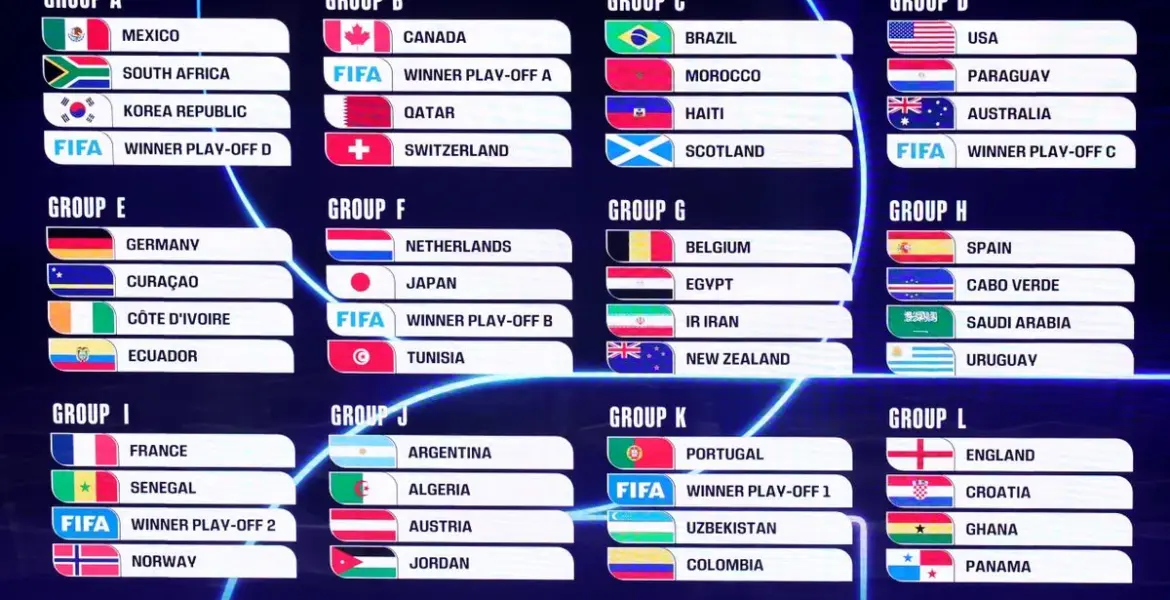
The immediate effects of this decision are profound. With 104 matches set to be played across 16 stadiums, the tournament will not only showcase the talents of 48 teams but also provide a platform for emerging footballing nations. For instance, England finds itself in Group L alongside Croatia, Ghana, and Panama, while Scotland faces a challenging Group C with Brazil, Morocco, and Haiti. The inclusion of teams from diverse regions underscores FIFA’s commitment to inclusivity and the growth of football worldwide.
Experts have weighed in on this monumental shift, highlighting the potential for increased viewership and engagement. The expanded format allows for more matches and, consequently, more opportunities for fans to witness thrilling encounters. The USA will host 78 matches, while Mexico and Canada will each host 13, showcasing the rich football culture in North America. This distribution not only reflects the growing popularity of the sport in these countries but also presents a unique opportunity for local fans to engage with international football.
Moreover, the tournament’s structure will see the top two teams from each of the 12 groups, along with the eight best third-placed teams, advancing to the knockout stage. This format promises to keep fans on the edge of their seats, as every match will carry significant weight in determining which teams progress. The excitement is palpable, with fans already dreaming of their teams’ journeys through the tournament.
As we look back at previous World Cups, the 2026 tournament stands as a beacon of change. The last time the World Cup was held in North America was in 1994, and since then, the sport has evolved tremendously. The inclusion of more teams and matches reflects the growing global nature of football, where nations once considered underdogs now have a fighting chance on the world stage. The diverse representation in the tournament will undoubtedly inspire future generations of players and fans alike.
In summary, the 2026 World Cup fixtures herald a new era in football, one that embraces inclusivity and celebrates the sport’s global reach. As the opening match approaches, the excitement continues to build, with fans eagerly awaiting the chance to witness history unfold across three nations. Details remain unconfirmed, but the anticipation is already palpable as the world gears up for this monumental event.
You may also like