Introduction
Yorkshire Water, one of the largest water services providers in the UK, plays a vital role in ensuring the availability and quality of water supply across the Yorkshire region. With over 5 million customers, the company is responsible not only for providing clean drinking water but also for managing waste water services. The importance of sustainable water management has never been more critical, considering climate change and the growing demand for resources.
Current Initiatives
In recent months, Yorkshire Water has launched a number of initiatives aimed at improving water quality and reducing environmental impact. These initiatives include the implementation of advanced treatment technologies and a focus on reducing leakage from pipes. The company reported a 17% reduction in leakage levels compared to previous years, aligning with UK Government targets to decrease waste and preserve water resources.
Moreover, Yorkshire Water is investing in renewable energy sources to power its facilities. The utility has made strides by installing solar panels at treatment works, contributing to a significant decrease in carbon emissions. As part of their commitment to sustainability, they also engage with local communities to promote water conservation awareness.
Challenges Ahead
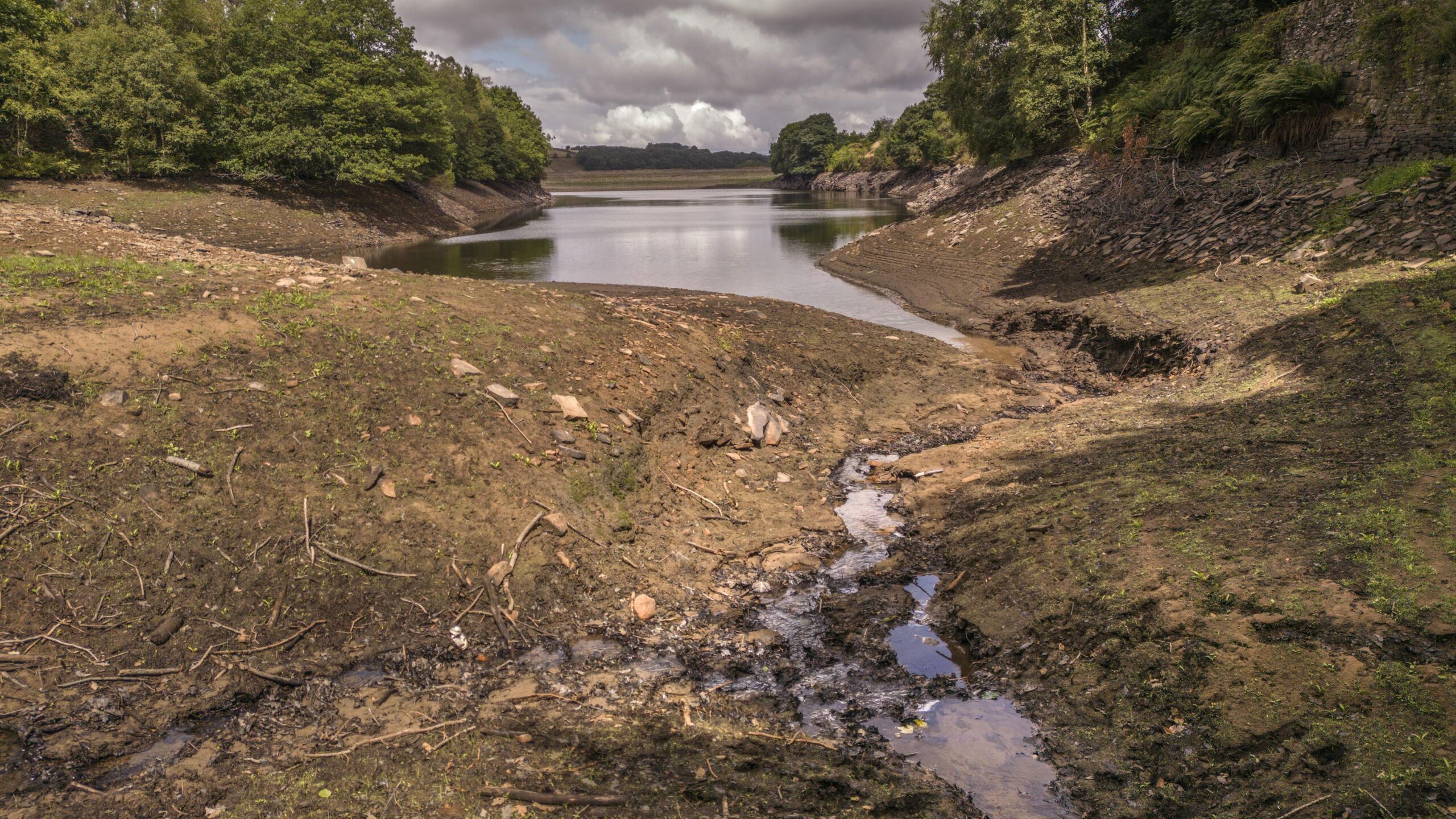
Despite these advancements, Yorkshire Water faces numerous challenges, ranging from ageing infrastructure to the impacts of climate change. Prolonged periods of drought followed by heavy rainfall have made water resource management increasingly complex. In 2023, the Environment Agency noted that Yorkshire experienced its driest spring on record, leading to heightened concerns over water scarcity.
Furthermore, regulatory pressures are mounting as the government reviews the performance of water companies across England. Yorkshire Water is under increased scrutiny to ensure compliance with environmental standards while managing costs for customers. Rising bills amid an inflationary environment could spark discontent among the populace, making it essential for the company to balance service quality and affordability.
Conclusion
As Yorkshire Water navigates its responsibilities amid growing challenges, the implications of its strategies will be significant for regional residents and the environment. The company’s ongoing commitment to innovation and sustainability will be critical in ensuring a reliable and safe water supply for the future. Overall, with proper investment and community engagement, Yorkshire Water has an opportunity to set a benchmark in the water industry for sustainability and efficiency, paving the way for a resilient water supply network in the face of changing climate conditions.
You may also like