Introduction
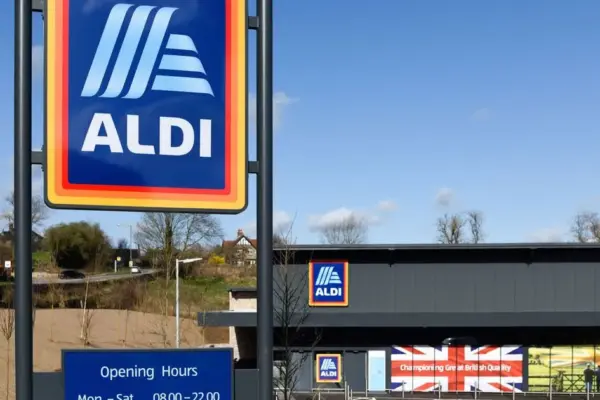
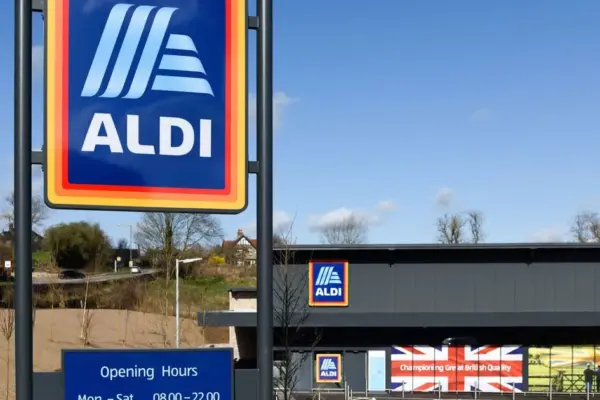
The recent announcement of Aldi store closures has sparked concern among shoppers and employees alike. As one of the UK’s leading supermarket chains known for its competitive pricing and no-frills shopping experience, Aldi’s retreat from certain locations raises questions about the future of retail in the current economic climate. These closures not only affect the availability of affordable groceries in local communities but also highlight broader challenges faced by grocery retailers.
Details of the Closures
In the last quarter, Aldi revealed plans to close several locations across the UK, citing various factors including underperformance and the evolving shopping habits of consumers. Reports indicate that the supermarket chain is shifting its focus to optimising store efficiency and enhancing online shopping capabilities. Industry analysts suggest that changes in shopping patterns, especially post-COVID-19, have prompted many retailers to rethink their operational strategies.
Several stores affected by the closures are situated in key urban areas where competition from otherdiscount grocers and online grocery delivery services has intensified. For instance, a statement released by Aldi detailed the closure of six stores in major cities, predominantly in suburbs where traditionally, footfall has decreased. This decision aligns with a larger trend across the retail sector, where businesses are reassessing their physical footprints.
Reactions and Implications
The reaction from the community has been mixed; while some customers express disappointment, others understand the necessity for business decisions aimed at sustainability and longevity. Local workers have been particularly affected by the closures, with many facing uncertainty about job security. Aldi has announced that it will strive to offer affected employees roles at nearby stores when possible.
The closures signal a shift within the retail market, one that may forsee the future of grocery shopping. Experts believe that retailers must innovate to survive, suggesting that those unable to adapt — like smaller chains and certain supermarket giants — could face similar challenges. Furthermore, as Aldi continues to focus on e-commerce and price competitiveness, other retailers may also need to evaluate their strategies to retain market share.
Conclusion
Aldi store closures serve as a reminder of the dynamic and often volatile nature of the retail landscape. As consumer trends evolve, grocery chains must align their business models accordingly to ensure they meet changing demands and preferences. For residents of affected areas, these closures may indicate the need to adapt their shopping habits, while for retailers, it presents an ongoing challenge of innovation and resilience in the face of economic uncertainty. Observers will be keen to see how Aldi navigates these changes and whether it will maintain its position as a leader in the competitive supermarket sector.
You may also like