Introduction to Council Tax Bands
Council tax bands are a significant aspect of local taxation in the United Kingdom, impacting millions of households every year. They determine how much residents are required to pay in council tax, which funds essential local services such as waste collection, education, and social care. Understanding how these bands work is crucial for homeowners and renters alike, especially with ongoing discussions about fairness and potential reforms in the system.
How Council Tax Bands Are Determined
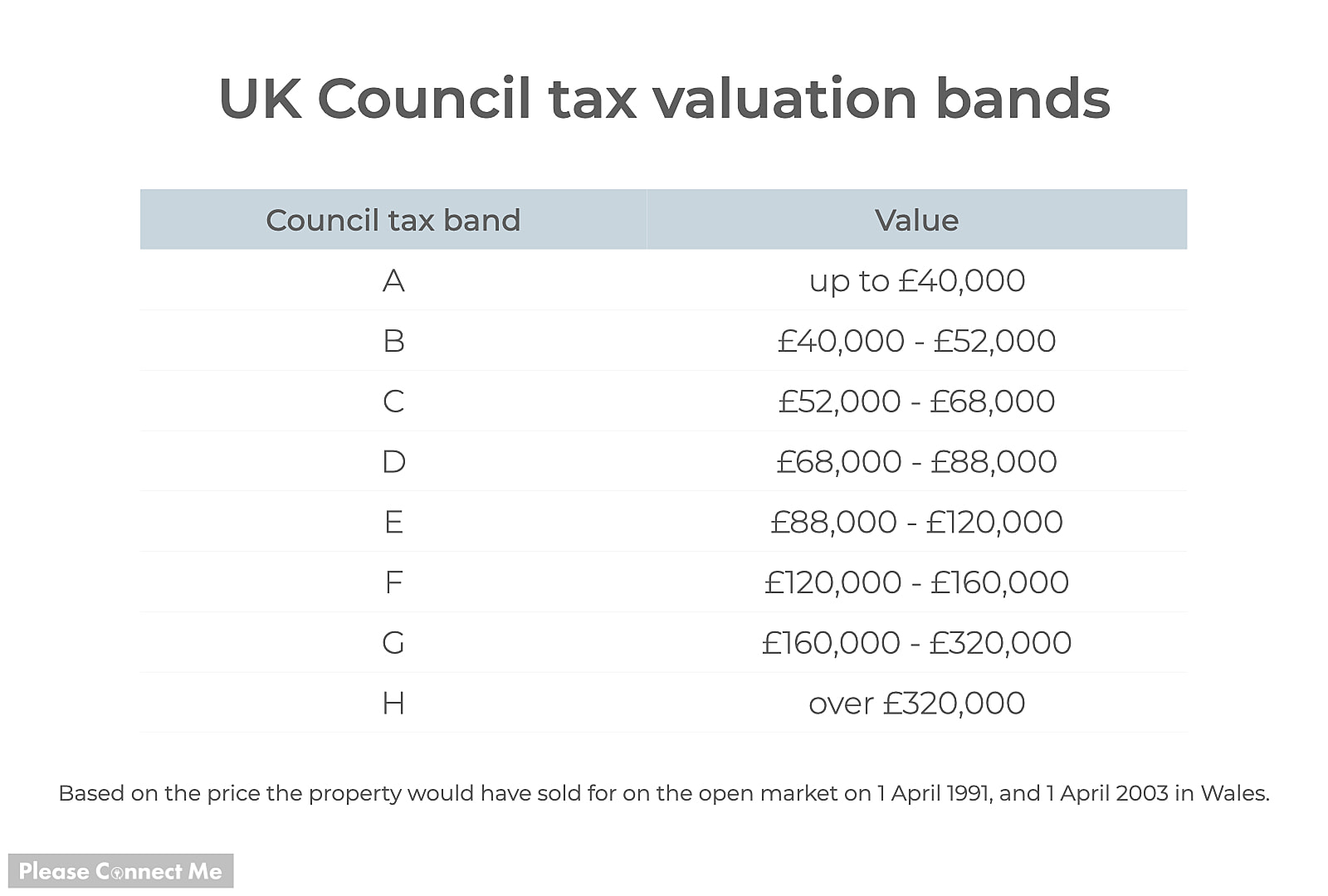
In the UK, every domestic property is assigned a council tax band based on its estimated value as of April 1, 1991, in England and Scotland, and April 1, 2003, in Wales. Properties are categorized into eight bands, from Band A (the lowest) to Band H (the highest). The value thresholds for these bands vary based on the region of England, with separate systems also in place for Scotland and Wales.
To assess a property’s banding, factors such as size, location, and condition are taken into account. The Valuation Office Agency (VOA) administers this process in England and Wales, providing guidelines and tools for property owners who wish to appeal their banding. There has been an increase in appeals over recent years, as homeowners seek to challenge their current classifications, particularly in areas experiencing rapid property value growth.
Impact of Council Tax Bands
The amount homeowners pay in council tax can vary greatly depending on their property band. For example, in England, the average council tax bill for a Band D property in 2021/22 was approximately £1,898, while Band A properties paid around £1,265. Local councils have the discretion to set their own rates within these bands, which can lead to disparities across the country.
Moreover, specific groups such as students, disabled individuals, and low-income families may qualify for exemptions or reductions, further complicating the landscape of council tax obligations. As councils strive to balance budgets amid growing demand for services, discussions around equity in the council tax system continue to be relevant, especially with proposals for reform gaining traction among policymakers.
Conclusion
In summary, council tax bands play an essential role in determining local taxation and funding for vital services. As property values fluctuate and public discussions arise around the fairness of the council tax system, residents should stay informed about their property’s band and the potential for appeals. Understanding how council tax bands work not only empowers citizens to navigate their finances more effectively but also contributes to the broader dialogue about taxation equity in the UK.
You may also like