Introduction
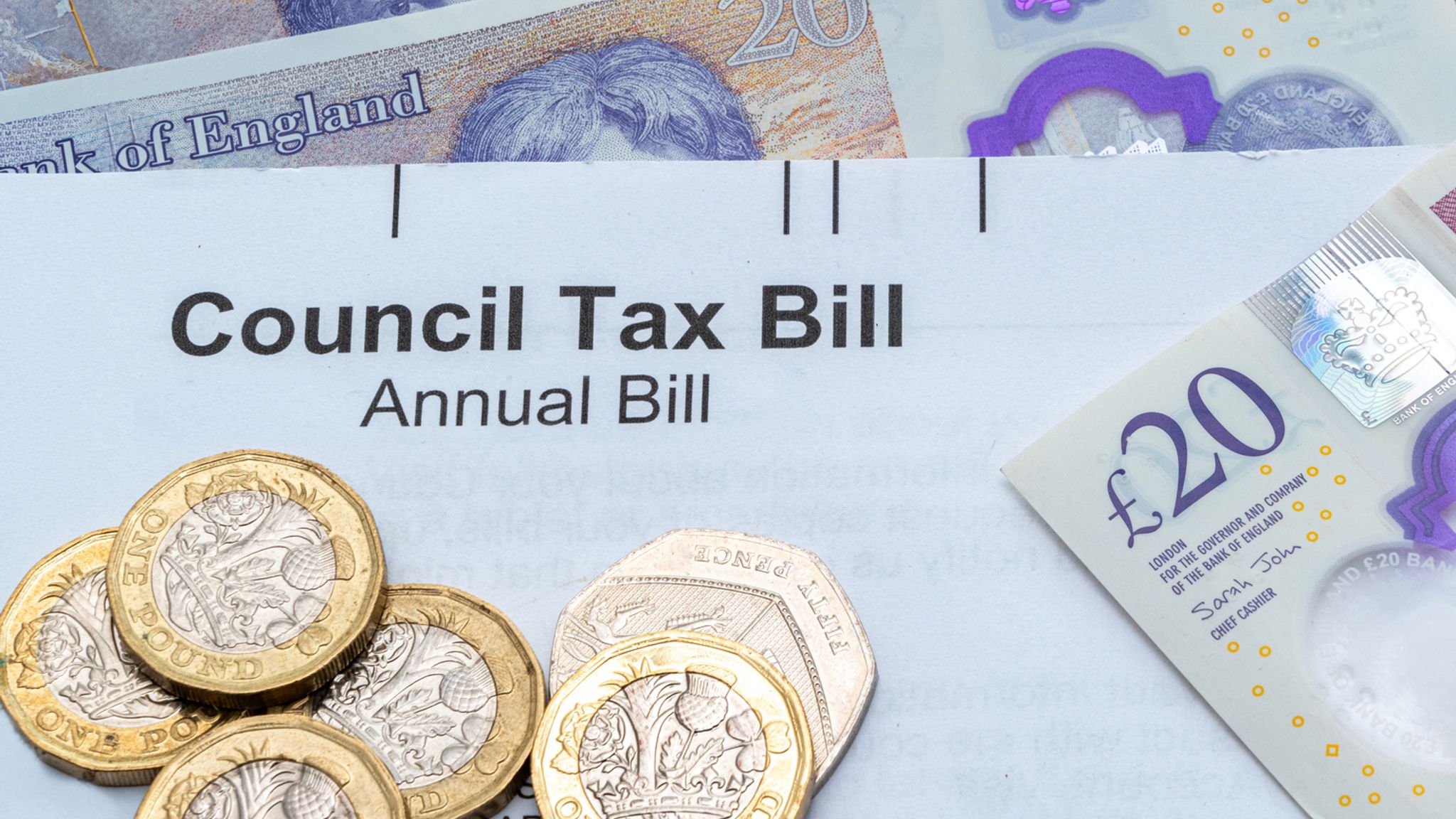
Council tax is a local taxation system in England, Scotland, and Wales that plays a pivotal role in funding local services such as education, waste collection, and social care. With fluctuating rates and concerns over affordability amidst the current economic climate, understanding council tax is imperative for residents. As local authorities revise their budgets to tackle rising costs, residents are urged to stay informed about the implications that these changes have on their finances.
What is Council Tax?
Council tax is levied on residential properties, which are classified into bands based on their estimated value. The bands range from A (the lowest) to H (the highest), with each band corresponding to a different amount of tax. The money collected from council tax is crucial for local councils to maintain and improve public services. In recent years, council tax rates have seen a steady increase to cope with funding pressures.
Recent Developments
As of April 2023, many local councils across England have raised council tax rates by up to 5%, which is the maximum allowed without requiring a referendum. This increase comes at a time when inflationary pressures and demands for services have escalated significantly. A recent report from the Local Government Association (LGA) indicates that despite these hikes, councils may still struggle financially, potentially leading to further cuts in services such as libraries, parks, and public transport if funding continues to fall short.
In addition to the standard council tax, some councils have introduced measures such as discounts for low-income households and exemptions for certain groups, like students and those receiving disability benefits. The government continues to assess the effectiveness of these exemptions in alleviating the financial burden on vulnerable groups.
Predictions for Future Councils Tax Changes
Looking ahead, the demand for local services is expected to increase, especially with an ageing population and heightened expectations for public amenities. Analysts predict that councils may need to explore innovative initiatives, such as targeted funding initiatives and partnerships with the private sector, to maintain service levels without further increasing council tax.
Conclusion
In conclusion, council tax remains an essential element of local government funding, directly impacting thousands of households across the UK. As communities face ongoing economic challenges, residents are encouraged to engage with local authorities to better understand their council tax bills and advocate for fair funding practices. The significance of council tax in shaping the quality of life in local areas cannot be overstated; thus, staying informed on upcoming changes is crucial for taxpayers.
You may also like