Introduction
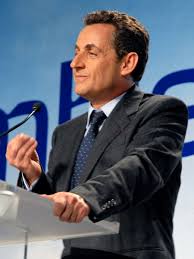
Nicolas Sarkozy, the former President of France, remains a significant figure in French and European politics. His tenure from 2007 to 2012 was marked by distinctive policies, controversies, and a powerful leadership style that still resonates in today’s political landscape. As the political climate in France evolves, Sarkozy continues to be a topic of discussion, especially considering his recent legal challenges and the implications for his potential political comeback.
Early Political Career
Sarkozy, born on January 28, 1955, in Paris, began his political career in 1983 as mayor of Neuilly-sur-Seine. He quickly rose through the ranks of the French political system, joining the National Assembly and later serving as Minister of Budget and Minister of the Interior. His reformist approaches garnered him a reputation as a pragmatic leader ready to tackle France’s economic challenges.
Presidential Term
Elected as President in 2007, Sarkozy’s presidency was characterized by significant reforms in various sectors, including immigration, labour, and education. His staunch pro-American stance during the global financial crisis, alongside his efforts in international diplomacy, notably during the Libyan Civil War in 2011, earned him both praise and criticism. His government faced mass protests, particularly against pension reforms and austerity measures, yet he remained resolute in his agenda.
Legal Troubles and Recent Developments
Post-presidency, Sarkozy’s political career has been marred by legal issues. In March 2021, he was convicted of corruption and influence peddling, receiving a three-year prison sentence, with two years suspended. Despite this setback, he has consistently maintained his innocence and hinted at a possible return to politics. Recent discussions within the French Republican Party suggest that his experience could be valuable in navigating the party’s future direction amidst declining support.
Conclusion
Nicolas Sarkozy’s political journey exemplifies the complexities of modern democracy in France. As the nation strives to redefine its political identity, former leaders like Sarkozy could play pivotal roles in shaping future policies. His potential return to political life raises critical questions about accountability, reform, and the electorate’s response to past controversies. As the French political scene continues to shift, observers will keenly watch Sarkozy’s next moves and the impact on the future of the Republican Party and French politics at large.
You may also like