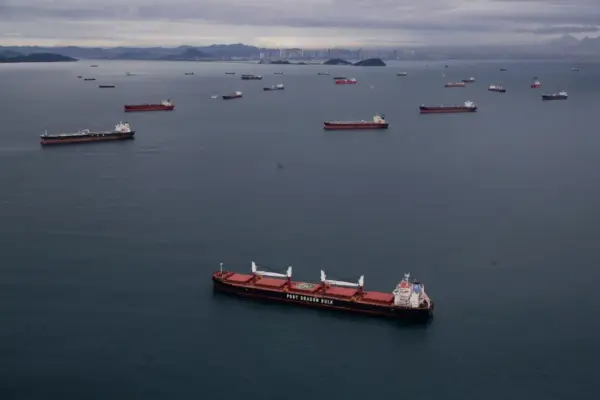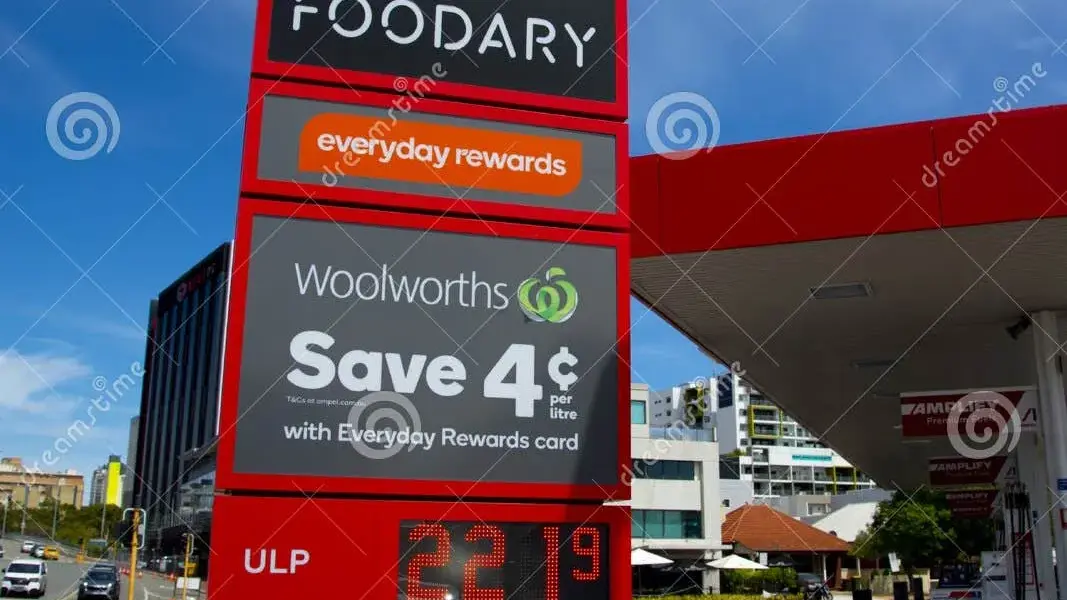
As petrol stations across Australia begin to run dry, the nation faces a looming energy crisis that could have far-reaching consequences. With only seven years left before its proven and probable oil resources are depleted, the stakes have never been higher for a country that relies heavily on imported liquid fuels.
The situation is dire: Australia has 1.3 billion barrels of proven or probable oil reserves, alongside an additional 2.2 billion barrels of contingent reserves. However, with 80 percent of its liquid fuels imported, the country is racing against time. The International Energy Agency mandates that member countries maintain emergency oil stocks equivalent to at least 90 days of imports, a requirement that Australia has struggled to meet.
Historically, Australia’s oil resources have been concentrated in the Bass Strait, a region that is now nearing depletion. As these reserves dwindle, the country is left with only two oil refineries: the Ampol-owned Lytton refinery in Brisbane and the Viva Energy operation in Geelong. These aging facilities are increasingly unable to compete with larger operations in Asia, further exacerbating the crisis.
Refined fuels, unlike crude oil, have a shorter shelf life and are more volatile, deteriorating relatively quickly. This reality poses a significant challenge for Australia as it attempts to manage its dwindling resources. With the current rate of consumption, experts warn that the nation could find itself without adequate fuel supplies in just a few years.
In recent years, Australia had some reserves stored in the United States, but these holdings were nowhere near sufficient to meet its obligations. As the situation unfolds, the urgency for a sustainable energy strategy becomes increasingly apparent. The reliance on imports not only threatens energy security but also raises questions about the nation’s ability to respond to future crises.
As petrol stations struggle to keep their pumps filled, the Australian government faces mounting pressure to address the issue. The depletion of local oil reserves and the reliance on foreign imports highlight the need for a comprehensive energy policy that prioritizes sustainability and self-sufficiency.
Details remain unconfirmed regarding potential measures the government may take to mitigate this crisis. However, the clock is ticking, and the future of Australia’s energy landscape hangs in the balance. Without immediate action, the nation risks facing a reality where petrol stations are not just dry, but the entire energy infrastructure is compromised.
You may also like