Introduction
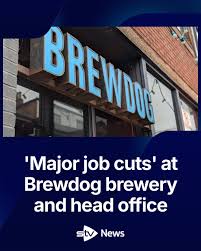
BrewDog, the popular Scottish craft beer company, has recently announced a series of job cuts as part of its efforts to streamline operations and address current market challenges. This decision impacts numerous employees and has raised concerns about the future of one of the UK’s most prominent breweries.
The Context of Job Cuts
The announcement comes at a time when the craft beer market is facing significant pressures, including rising raw material costs, increasing competition, and a shift in consumer preferences. The company, which has grown rapidly since its inception in 2007, is now recalibrating its business model to sustain profitability as consumer habits evolve.
Chief Executive Officer James Watt stated, “As a dynamic company, we must adapt to the changing economic landscape. While the decision to reduce our workforce was not made lightly, it is necessary to secure our long-term sustainability.” BrewDog has not specified the exact number of jobs that will be cut, although reports suggest it could be significant across various departments.
Details on the Job Cuts
Sources indicate that the job cuts will primarily affect the administrative and operational sectors of the company, which have seen a downturn due to the economic backdrop. BrewDog has also faced criticism over its treatment of workers during the pandemic, raising questions about its corporate culture amidst the current layoffs.
In addition, the company is undergoing a restructuring process during which it aims to develop more robust strategies to adapt to market fluctuations. BrewDog’s plans include a renewed focus on its core products and a potential reduction in its extensive portfolio of limited-edition beers, which, while popular, have not always proved profitable.
Impact on BrewDog
Market analysts view these job cuts as a critical step for BrewDog, which has experienced rapid expansion but is currently contending with a market correction. The craft beer industry, which saw exponential growth during the early days of the pandemic, is now witnessing a decline in demand as consumers return to traditional pubs and bars.
Additionally, the job cuts raise questions about BrewDog’s future growth prospects. If the company successfully navigates this period of turmoil, it may rebound stronger than before. However, the overarching fear in the industry is that ongoing economic challenges could hinder any swift recovery. Analysts predict that consumers will remain cautious in their spending habits, which could affect BrewDog’s sales projections for the foreseeable future.
Conclusion
The job cuts at BrewDog reflect broader trends within the craft beer market and underscore the importance of adaptability in challenging economic conditions. As the company restructures, its ability to focus on innovation and cost management will be pivotal in determining its future success. While BrewDog has a loyal customer base, it must navigate these uncertain waters carefully to emerge as a leader in the evolving marketplace.
You may also like