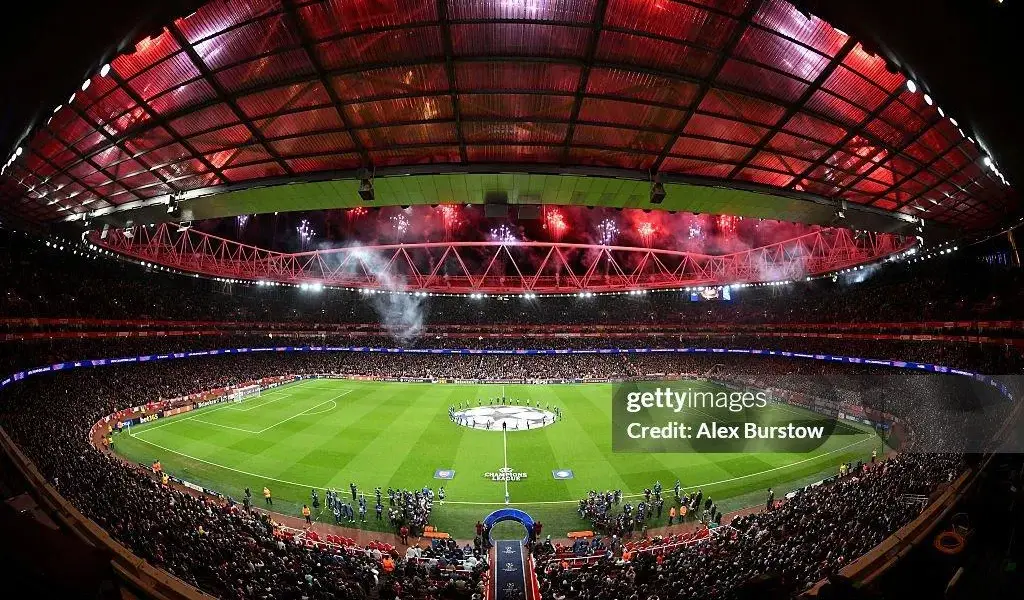
On May 5, 2026, as Arsenal faced Atletico Madrid in the Champions League semi-final second leg at the Emirates, a different kind of drama unfolded in Budapest. Morgan Stanley’s Analyst Program was being scrutinized—not for its financial acumen but for alleged unauthorized activities and poor working conditions.
The investigation by the Financial Authority kicked off after a former employee raised alarms about the practices within the Budapest office. Reports indicated that analysts were engaged in activities without the necessary licenses, which is a serious breach in investment banking. The internal memo from Morgan Stanley confirmed that staff in Budapest lacked authorization to conduct regulated activities.
Since its inception, the Budapest analyst team expanded to about forty people, drawn by the promise of future opportunities in London or New York. Initially, after two years of service, these analysts were told they could transfer to one of these major financial hubs. But then came a twist—management extended the waiting period to three years. This change led to discontent and uncertainty among the team.
Key statistics:
- Analysts in Budapest earned around 1,500 euros per month before a recent increase to 1,700 euros.
- 20% of the Budapest analyst team resigned following the announcement of extended transfer waiting periods.
- Arsenal has only won one European semi-final at home since 2006.
The atmosphere grew tense as many felt trapped—stuck in a role that offered little hope for advancement. Resignations began to pile up as analysts sought better prospects elsewhere. The promise of moving to London or New York felt increasingly like a mirage.
The next steps are crucial; with an investigation underway, analysts await clarity on their future at Morgan Stanley and what it means for their careers moving forward.
You may also like