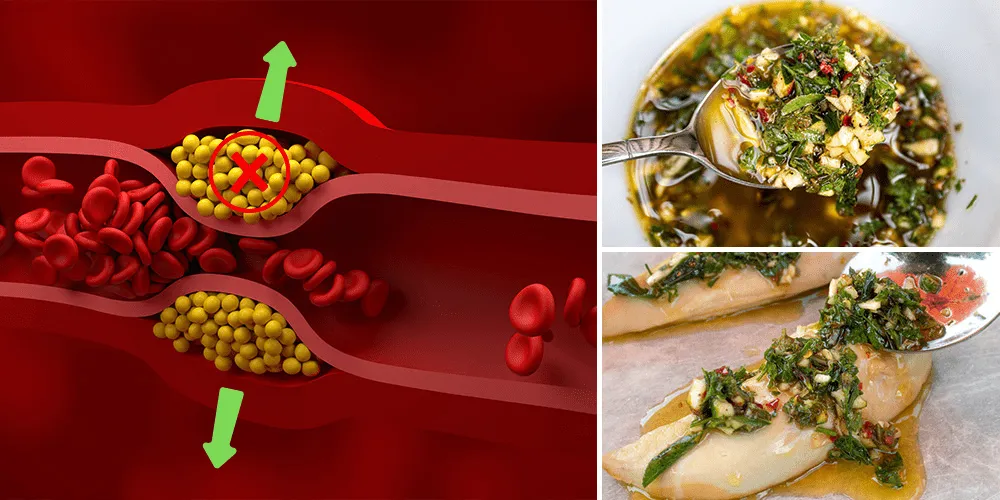
In the world of cardiology, cholesterol has long been synonymous with LDL—the notorious villain that clogs arteries and leads to heart attacks. For decades, doctors and patients alike have focused on lowering LDL levels. It seemed straightforward: lower the bad cholesterol, reduce the risk. But researchers have recently turned their gaze to something less understood—Lp(a), a lesser-known form of cholesterol that could redefine how we approach cardiovascular disease.
Discovered back in 1963, Lp(a) has lingered in the shadows of medical research. Yet, startling statistics reveal its significance: people with elevated Lp(a) face more than double the risk of heart attacks compared to those without it. An estimated one in five people worldwide carry high levels of this dangerous cousin to LDL. With numbers like these, it’s no wonder pharmaceutical giants like Novartis, Amgen, and Eli Lilly are making bold moves.
Suddenly, the narrative shifted. Trials for drugs targeting Lp(a) are underway, with these companies racing to prove they can cut Lp(a) levels by more than 80%. Novartis’ pelacarsen is at the forefront—its aim is clear: lower Lp(a) levels and protect against heart attacks.
But here’s where it gets tricky. Less than 1% of adults were tested for Lp(a) in the U.S. as recently as 2024. The urgency is palpable; how can we treat what we don’t even test for? Dr. Steve Nissen emphasizes the need for an open mind: “We thought raising HDL would be beneficial and that didn’t work, so I think we have to keep an open mind.”
The stakes are high—not just for patients but for the companies involved. Analysts predict that treatments targeting Lp(a) could rake in $5.6 billion in annual sales by 2032 if successful. Asad Haider points out that Novartis’ trial could be pivotal: “That’s why this trial is going to be so important in how people think about the unlock.”
Still, uncertainties loom large. The exact levels of Lp(a) that need to be lowered to make a significant difference remain unclear. Additionally, timelines for results have faced delays due to slower-than-expected heart attack occurrences during trials.
As we stand at this crossroads in cardiology, experts like Jay Bradner see promise in this gamble on Lp(a): “The clarity of the signal from population genetics and the encouraging signs from earlier trials render this a very smart bet.” The future may hold new hope for millions who face cardiovascular risks—but only if these trials yield successful outcomes.
You may also like