Introduction to a Momentous Occasion
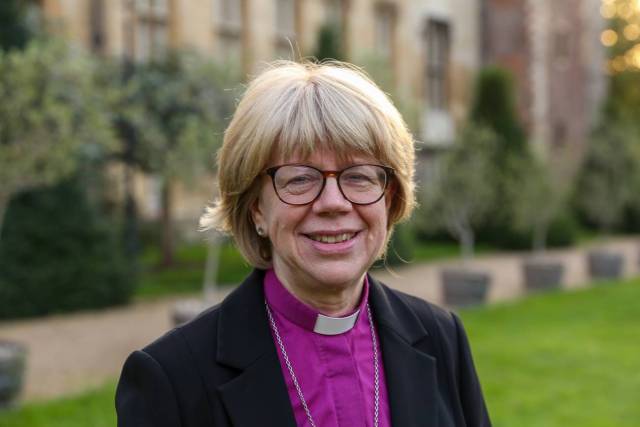
The recent appointment of Dame Sarah as the Archbishop of Canterbury is a groundbreaking event in the history of the Church of England. As the first female to hold this prestigious position, Dame Sarah’s role signifies a progressive shift within the church, embracing the values of diversity and inclusion. This appointment has been met with both celebration and reflection on the journey of women in leadership roles within religious institutions.
Dame Sarah’s Background and Qualifications
Dame Sarah, previously serving as the Bishop of London, brings years of experience and a wealth of knowledge to her new role. Born in 1959 and educated at the University of Oxford, her career has been marked by a commitment to social justice, community engagement, and interfaith dialogue. Throughout her tenure as Bishop, she championed various initiatives aimed at addressing poverty and championing youth involvement in the church.
The Significance of the Appointment
This historic appointment carries profound implications for the Church of England and the broader Anglican Communion. It reflects a growing willingness to embrace change at a theological level, as the church seeks to resonate more closely with contemporary society. The announcement was met with applause from supporters advocating for gender equality within ecclesiastical leadership. Dame Sarah herself stated, “I am honoured to be called to this ministry and hope to inspire others to see the church as a place for all voices to be heard.”
Moreover, this change can potentially affect church attendance and engagement among younger generations, who are increasingly seeking inclusive environments. With documented declines in church attendance, proponents believe that embracing diverse leadership could help galvanise new energy within church communities.
Looking Ahead
As Dame Sarah assumes her new role, many are watching closely to see how her leadership will shape the future of the Church of England. Her tenure could set a precedence for more women in ecclesiastical positions, as it challenges traditional perceptions of church leadership. It also raises questions about the long-term implications for policies around inclusivity, social action, and pastoral care.
In conclusion, Dame Sarah’s appointment as Archbishop of Canterbury signifies a new chapter for the Church of England, one that prioritises inclusivity and reflects the diverse society in which it exists. Her leadership will be pivotal as the church navigates the complexities of modern faith while aligning with the values of equality and justice.
You may also like