Introduction
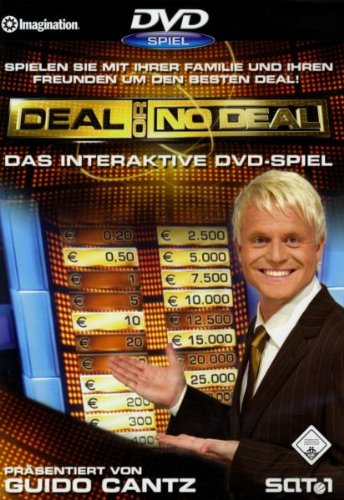
‘Deal or No Deal’ has become a dominant force in the realm of game shows since its inception, captivating audiences across various demographics. The show, which started as a simple concept of probability and risk, has evolved into a cultural phenomenon. Its blend of suspense, strategy, and viewer engagement has made it a staple on television, with adaptations in many countries. Understanding the show’s significance goes beyond mere entertainment; it reflects societal attitudes towards risk-taking and decision-making.
The Format and International Reach
‘Deal or No Deal’ features contestants selecting from sealed briefcases, each containing a different cash amount. Contestants must decide whether to accept cash offers from a banker in exchange for their selected briefcases or continue playing in hopes of winning a larger sum. This format has been internationally licensed, leading to successful versions in numerous countries, including the UK, US, and many European nations.
In the UK, the show premiered in 2002, hosted by Noel Edmonds, quickly gaining immense popularity. In the US, it debuted in 2003 with Howie Mandel. Both versions contributed to the show’s legacy, fostering a competitive yet friendly atmosphere among contestants, which has been a key element of its success.
Cultural Impact and Significance
The appeal of ‘Deal or No Deal’ lies in its psychological dimension. The show’s format has sparked discussions about probability, risk management, and human behaviour in uncertain situations. Contestants often experience a rollercoaster of emotions, leading to teachable moments about the implications of decision-making under pressure. The phrase ‘Deal or No Deal’ has even entered popular vernacular, symbolising situations where one must weigh risks against rewards.
Moreover, the show’s success has paved the way for numerous adaptations and inspired other game shows, establishing a new blueprint for viewer engagement. Celebrity editions and special-themed episodes have further solidified its place in entertainment history.
Conclusion
As ‘Deal or No Deal’ continues to entertain audiences, its impact extends beyond television screens. The program serves as a mirror reflecting society’s relationship with risk and reward, making it a profound part of game show evolution. Analysts predict that while trends in television may shift, the core principles of ‘Deal or No Deal’ will remain relevant, shaping not only future game shows but also influencing conversations around decision-making in daily life. For viewers and contestants alike, the question of ‘deal or no deal’ continues to resonate, making it a timeless dialogue about choice and chance.
You may also like