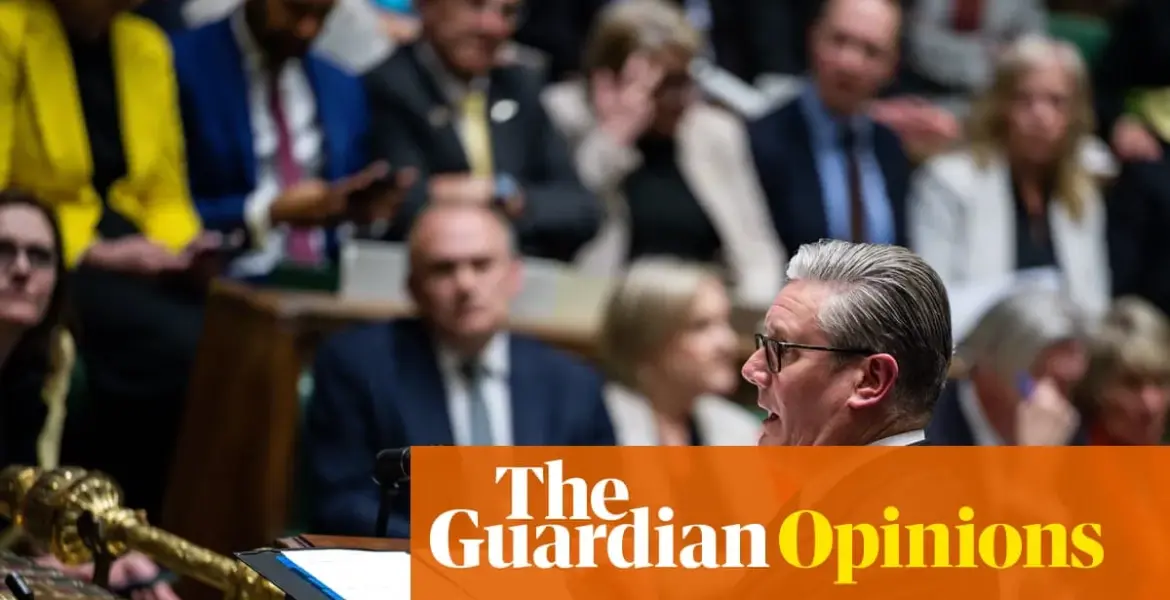
In the heart of the House of Commons, tension crackled like electricity. Diane Abbott stood, her voice steady but piercing. “Peter Mandelson has a history,” she declared, her words echoing through the chamber. The implications were clear: this was more than just a critique; it was a challenge to the very fabric of leadership under Keir Starmer.
Abbott’s remarks came in response to the recent appointment of Peter Mandelson as ambassador to the US—a role he secured despite failing the Foreign Office vetting process. This wasn’t just another political shuffle; it was a situation steeped in scrutiny. Why hadn’t Starmer asked if Mandelson had passed security checks? Why had he not demanded clarity from his advisors? “It’s one thing to say, as he insists on saying, ‘Nobody told me, nobody told me anything… The question is, why didn’t the prime minister ask?”
The backdrop is stark. Mandelson had been fired from government twice before, and yet here he was—appointed to a position that many believe requires unwavering integrity and transparency. Abbott’s criticism wasn’t merely personal; it resonated with broader concerns over Starmer’s decision-making process. As she spoke, other MPs nodded in agreement, their faces reflecting a mix of disbelief and frustration.
Starmer, caught off guard by Abbott’s pointed questions, admitted that he had not been informed about Mandelson’s failed vetting prior to his appointment. The admission raised eyebrows—how could such crucial information slip through the cracks? In an attempt to regain control of the narrative, Starmer sacked Olly Robbins, the top civil servant in the Foreign Office, after revelations came to light about Mandelson’s vetting failure.
But this move did little to quell the storm brewing around Starmer’s leadership. “Many will find these facts to be incredible,” he stated defensively, yet it seemed more like a plea than a proclamation of confidence. The fallout from this appointment has led to ongoing scrutiny—questions linger about who knew what and when.
As Diane Abbott stood her ground, she embodied not just opposition but accountability—she is known as the ‘Mother of the House’, a title that carries weight and expectation. Her challenge wasn’t just against one man but against a system that seems increasingly opaque. With every word she spoke, she highlighted an unsettling truth: leadership demands vigilance.
The ramifications are still unfolding. Other political figures have joined in questioning Starmer’s judgment regarding appointments—voices like John McDonnell and Ed Davey adding fuel to the fire of dissent. The whispers grow louder: what does this mean for Starmer’s future? For his party? For trust in governance?
Details remain unconfirmed regarding further developments in this saga. As scrutiny intensifies and questions persist, one thing is certain: Diane Abbott’s critique has ignited a conversation that won’t fade quietly into the background.
You may also like