Sports Triumph and Social Activism
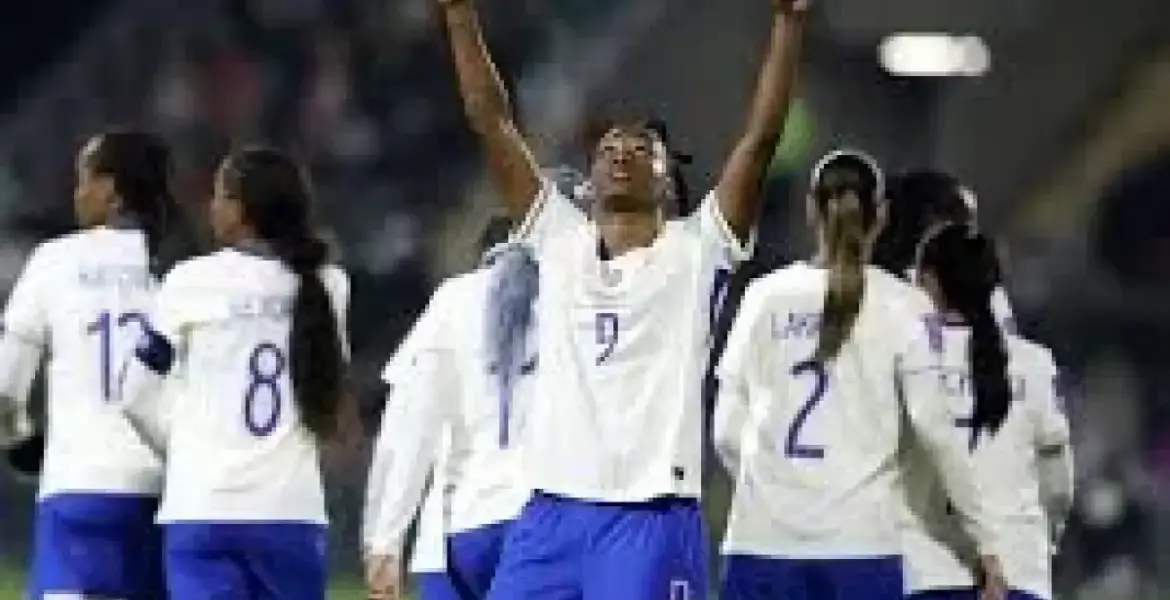
On March 8, 2026, Dijon, France, became a focal point for both sports and social activism. Earlier that day, the French national football team secured a decisive 4-1 victory against Poland in a World Cup qualifying match. This win not only showcased the team’s prowess on the field but also marked their successful completion of the international stage, finishing first in their group.
The match was characterized by aggressive front-foot pressing from the French side, which ultimately led to Poland being reduced to 10 players. Grace Geyoro, a key player in the match, expressed satisfaction with the team’s performance, stating, “The target was two victories, and that mission was accomplished with conviction.” This victory continued France’s impressive streak, extending to 11 straight matches without conceding a goal.
Equality Fortnight in Chambéry
Simultaneously, Chambéry was hosting a 15-day Equality Fortnight, culminating on the same day. This initiative included a variety of events such as shows, film discussions, conferences, workshops, and exhibitions, all aimed at promoting gender equality and women’s rights. The collective du 8 mars organized a feminist program in Le Puy-en-Velay, which saw over a hundred participants join a march advocating for these causes.
The program featured a screening-debate focusing on women who have been institutionalized at Bon Pasteur institutes, highlighting the ongoing issues surrounding women’s rights. The collective, which included trade unions and local associations, aimed to raise awareness and foster dialogue on these critical topics. A travelling bookstall also participated in the march, providing literature relevant to the themes of the day.
Current State and Future Implications
As of now, the events of March 8, 2026, in Dijon and Chambéry reflect a growing commitment to equality and women’s rights in France. The combination of sports success and social activism on this day underscores the importance of both spheres in fostering a more equitable society. The participatory model employed during the Equality Fortnight raises questions about its potential as a template for future civic programs, as noted by observers of the events.
Looking ahead, the French national team is set to face the Netherlands in upcoming matches on April 14 and 18, 2026. The outcomes of these games will be crucial as they continue their journey towards the World Cup. Meanwhile, the momentum generated by the Equality Fortnight may lead to further initiatives aimed at addressing gender disparities in various sectors.
Overall, the convergence of a significant sports victory and a robust social movement on March 8, 2026, in Dijon serves as a reminder of the ongoing struggle for equality and the power of collective action. As the nation moves forward, the events of this day may inspire continued advocacy and engagement in the fight for women’s rights.
You may also like