Introduction
Portugal, located on the Iberian Peninsula, is renowned for its rich history, stunning architecture, and diverse landscapes. As the westernmost country in Europe, it has become a popular destination for tourists seeking both cultural experiences and natural beauty. The nation’s historical significance, global influence, and modern developments make it a relevant area of interest.
Historical Significance
Portugal’s history is marked by exploration and maritime adventure. The Age of Discoveries in the 15th and 16th centuries saw Portuguese explorers, such as Vasco da Gama and Ferdinand Magellan, venture across the seas, establishing trade routes and colonies. This era laid the groundwork for Portugal’s influence on global trade and cultural exchanges, many of which are still felt today.
Modern Developments
In recent years, Portugal has seen significant growth in tourism, with millions flocking to cities like Lisbon and Porto for their vibrant culture and breathtaking architecture. In 2023 alone, Portugal welcomed over 16 million international tourists, showcasing its status as a preferred European holiday destination. New regulations and initiatives aimed at sustainable tourism have emerged to protect the country’s beautiful landscapes and heritage sites.
Cultural Richness
Portugal is also famous for its unique contributions to art and culture, notably Fado music, recognized by UNESCO as an intangible cultural heritage. Festivals celebrating this vibrant musical tradition, alongside culinary events featuring iconic dishes like bacalhau (codfish) and pastéis de nata (custard tarts), attract both locals and visitors alike.
Natural Landscapes
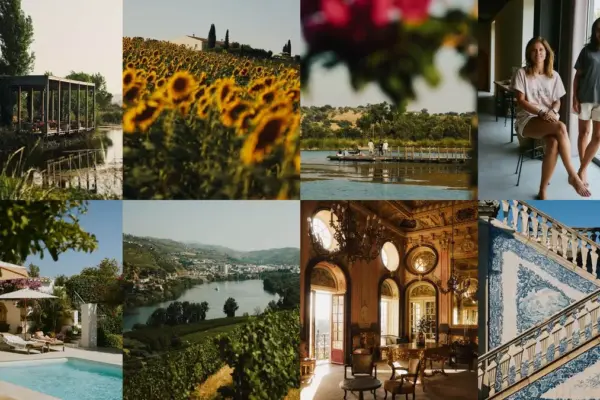
The country’s geography boasts stunning coastlines, rolling vineyards, and picturesque towns. The Algarve region, known for its beautiful beaches, and the Douro Valley, celebrated for its wine production, are just two examples of Portugal’s diverse natural offerings. Recent environmental efforts aim to preserve these landscapes while promoting eco-friendly tourism options.
Conclusion
Portugal stands as a testament to a rich historical tapestry woven with modern vibrancy and natural beauty. As the nation looks towards the future, it remains committed to preserving its heritage while embracing new ways to welcome visitors and enhance the lives of its residents. Understanding Portugal’s past and continuing developments offers insights into a land that beautifully blends tradition with modernity, making it a valuable destination for global travellers.
You may also like