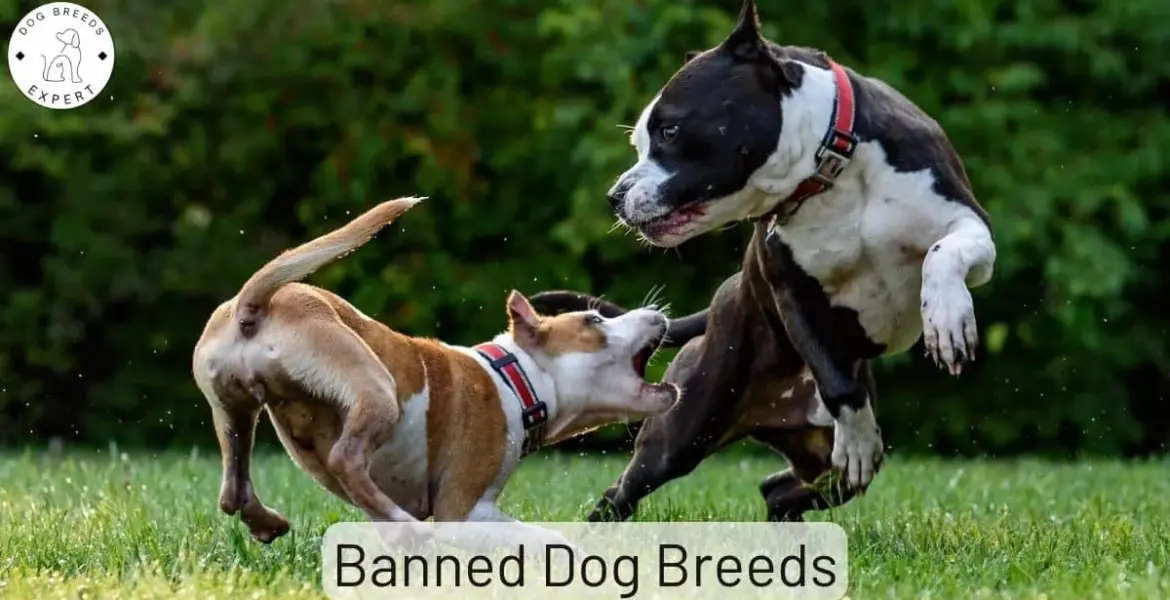
Changing Landscape of Dog Ownership
Historically, dog ownership in the UK and Tamil Nadu has been characterized by a diverse range of breeds, with many families cherishing their pets as beloved companions. Breeds such as corgis, dachshunds, Scottish terriers, and shih tzus have been particularly popular, often seen as integral members of households. However, recent developments have sparked a significant shift in this landscape, as health and safety concerns prompt discussions about potentially banning certain dog breeds.
Proposed Changes and Their Implications
In the UK, a staggering 67 dog breeds could face bans due to health concerns, as highlighted by the All-Party Parliamentary Group for Animal Welfare. This group has introduced a checklist aimed at assessing the health of dog breeds, which could lead to stricter regulations on breeding practices. The initiative is part of a broader effort to ensure that dogs are bred with health and welfare as a priority, reflecting a growing awareness of the health issues associated with certain breeds.
Meanwhile, in Tamil Nadu, the government is considering banning specific breeds identified as aggressive for public safety. A committee has been formed to draft regulations that would address these concerns, echoing similar sentiments expressed by the Union government, which has recommended the prohibition of certain ferocious dog breeds in India. These developments highlight a decisive moment in the ongoing debate surrounding dog ownership and public safety.
Effects on Dog Owners and Breeders
The proposed bans have immediate effects on dog owners and breeders alike. For many, the prospect of losing beloved breeds is distressing. Queen Elizabeth II, for instance, owned more than 30 corgis and dorgis during her lifetime, showcasing the deep-rooted affection for these breeds in British culture. As regulations tighten, dog owners may find themselves facing difficult decisions regarding their pets, while breeders will need to navigate new health assessment requirements.
Under the new regulations, an innate health assessment will require a minimum health score of 8 out of 10 for legal breeding. This threshold is expected to rise to 9 within five years and ultimately to 10, raising concerns among breeders about the feasibility of maintaining healthy breeding practices without compromising the characteristics of certain breeds. Experts like Marisa Heath emphasize that the IHA is a voluntary welfare tool designed to encourage breeding from dogs with healthy conformations, but the implications of these changes remain to be seen.
Expert Opinions and Perspectives
Experts in the field have voiced their concerns regarding the potential impact of these regulations. Beverley Cuddy warns that without proper, nuanced tests, there is a risk of losing Britain’s most beloved breeds in a short span of time. Similarly, Margaret Hoggarth argues that the perception of certain breeds as unhealthy is misguided, particularly in the case of corgis, which she asserts are a very healthy breed. These voices underscore the complexity of the issue, as the balance between public safety and the preservation of cherished dog breeds hangs in the balance.
Uncertainties and Future Considerations
As discussions continue, uncertainties remain regarding the specific breeds that will be identified as aggressive in Tamil Nadu, as well as the exact criteria for determining which breeds are deemed unhealthy in the UK. Details remain unconfirmed, leaving dog owners and breeders in a state of apprehension as they await further clarification on the proposed regulations.
In conclusion, the potential banning of certain dog breeds in both the UK and Tamil Nadu marks a significant shift in the approach to dog ownership and public safety. As health concerns take center stage, the future of beloved breeds hangs in the balance, prompting a reevaluation of breeding practices and the responsibilities of dog owners.
You may also like