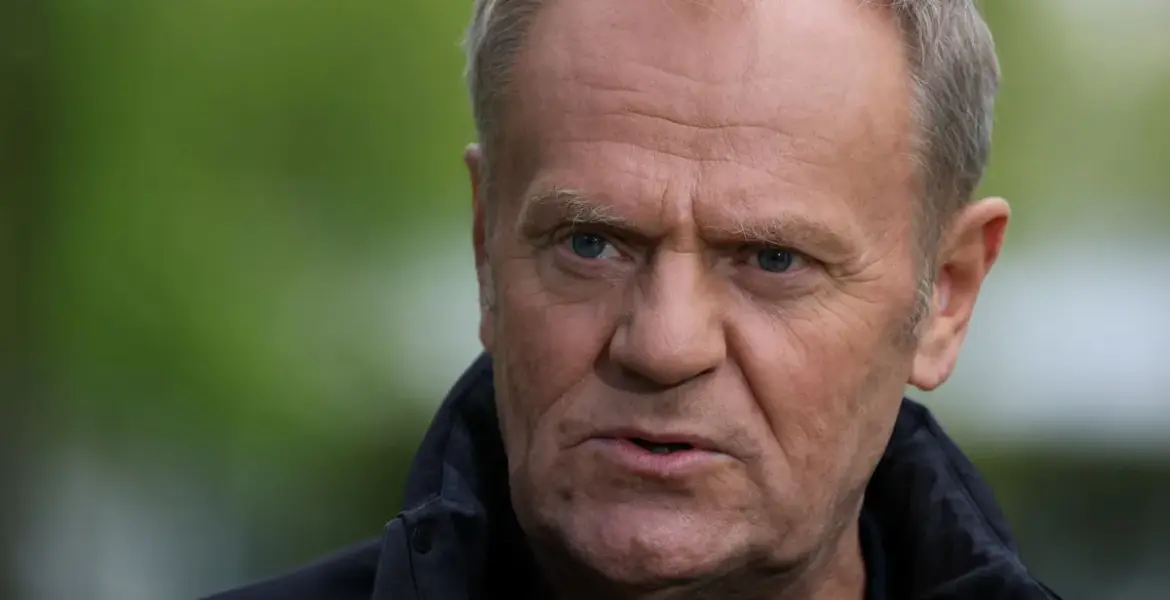
In a striking address on May 2, 2026, Donald Tusk warned that NATO is unraveling due to escalating tensions and troop withdrawals by the United States. His remarks come as the US prepares to pull approximately 5,000 troops from Germany, a move that has raised alarms across Europe.
Tusk emphasized that the greatest threat to the transatlantic community isn’t external enemies but rather the internal fractures of the alliance. “The greatest threat to the transatlantic community are not its external enemies, but the ongoing disintegration of our alliance,” he stated, highlighting a growing concern among European leaders.
Germany currently hosts nearly 40,000 US military personnel as part of NATO’s military presence in Europe. However, recent criticisms regarding military strategies—especially in relation to the US-Israeli conflict against Iran—have strained relationships within NATO. Chancellor Friedrich Merz of Germany criticized Washington for lacking a coherent exit strategy from this ongoing conflict.
Tusk’s comments reflect a broader unease about defense spending and military commitments across Europe. As tensions rise, he called for collective action: “We must all do what it takes to reverse this disastrous trend.” This plea resonates deeply amid concerns that a weakened NATO could embolden adversaries.
The backdrop to these developments is marked by increasing skepticism about US foreign policy under Trump’s administration, which has been contemplating reducing military presence in Germany amidst these tensions. The implications of such decisions extend beyond troop numbers; they threaten to reshape transatlantic relations fundamentally.
As Tusk rallies support for unity within NATO, uncertainty looms over how member states will respond. Will they heed his call for increased defense spending? Poland plans to allocate 5 percent of its GDP toward defense this year, signaling a potential shift in regional priorities. However, whether other nations will follow suit remains uncertain.
The future of NATO hangs in the balance as leaders grapple with these complex dynamics. With troop withdrawals underway and internal divisions surfacing, the alliance faces a pivotal moment. The path forward will likely depend on how effectively member states can address these fractures and reaffirm their commitments to collective security.
You may also like