David Newton and his family—Kimberly and their daughter Frankie-Mae—stood in line, frustration simmering as they faced an 11-hour ordeal at Charles de Gaulle airport on April 29, 2026. They arrived three hours before their flight, expecting a smooth passage through the new EU border biometric checks. Instead, they found themselves trapped in chaos.
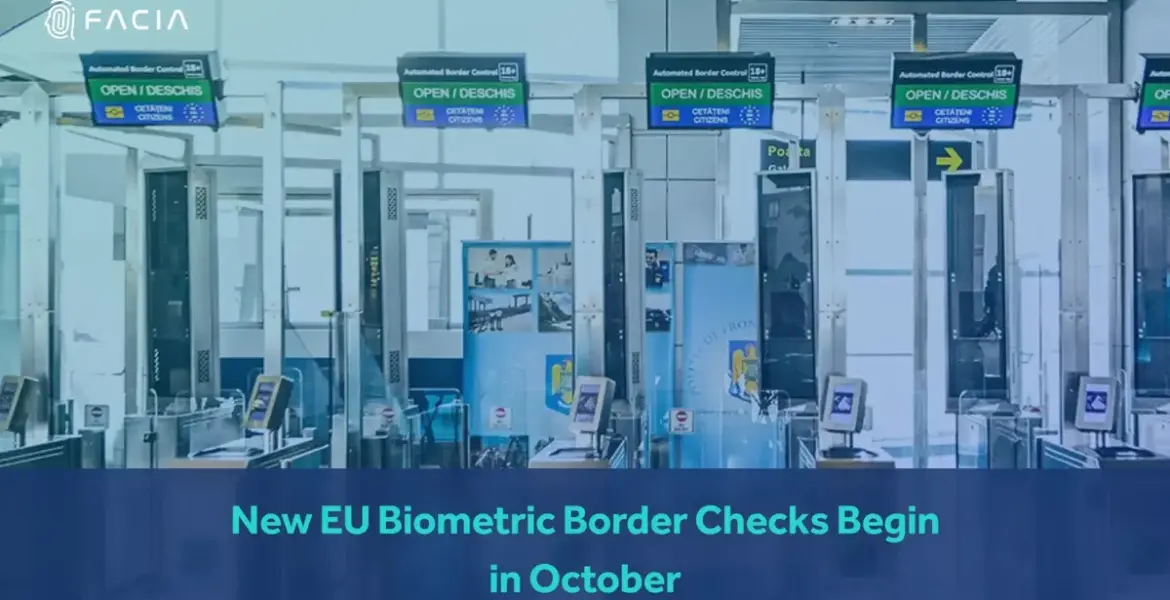
The Entry/Exit System (EES) had just launched fully on April 10, 2026, meant to streamline border processing for non-EU nationals. Passengers now need to provide fingerprints and a facial photo, part of the EU’s updated security measures. But on that day, only about a third of the 15 booths were manned, leading to long queues.
After more than five hours stuck in line for passport control, David described the scene as “mayhem.” He recalled people around him—some crying, others anxiously pleading, “Excuse me, I’m going to miss my flight.” The family eventually got through passport control two hours after their flight took off.
Key issues contributing to delays:
- EES kiosks at main hubs in France were not working due to technical issues.
- Passengers were processed manually, taking about five minutes each.
- ACI Europe warned of travel delays of up to three hours during peak periods.
As they waited, David pondered alternatives. “I’d probably drive,” he said. “I just think the hassle of all that you can drive there quicker.” Meanwhile, Greece had suspended biometrics for British nationals amid growing queues, highlighting broader concerns about the EES implementation.
The European Commission maintains that the EES system has been functioning well in most member states since its launch. Yet for families like the Newtons—who missed their flight—it’s clear that significant issues remain. No timeline has been shared regarding when these technical problems will be resolved or how long countries will suspend EES checks.
You may also like