Introduction
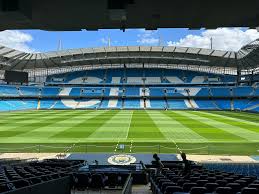
The Etihad Stadium, located in Manchester, England, is not just a football arena; it is a symbol of sporting passion and community pride. As the home ground of Manchester City Football Club, it stands as a testament to modern architecture and design in the realm of sports, attracting thousands of fans to its gates each matchday. Understanding the significance of Etihad Stadium offers insights into its role in English football and its impact on the local community.
Overview of Etihad Stadium
Opened in 2003, the Etihad Stadium—originally named the City of Manchester Stadium—was built for the Commonwealth Games. It has since undergone significant renovations and expansions, including a major upgrade in 2015 that improved seating capacity to approximately 53,000. Designed by renowned architects, the stadium features state-of-the-art facilities that enhance the matchday experience for supporters, including advanced hospitality options, fan zones, and accessibility enhancements for disabled attendees.
Recent Events and Developments
In recent years, the Etihad Stadium has hosted not only Manchester City games but also various major international fixtures and events. In 2023, it was the venue for a series of Euro 2024 qualifying matches, showcasing football talent on a broader stage. Additionally, the stadium has embraced technology, introducing mobile ticketing and cashless payment systems to streamline the experience for fans. The recent implementation of a significant sustainability strategy aims to reduce the environmental impact of events held at the stadium, reflecting a growing trend within the sports industry.
Significance of Etihad Stadium
Beyond its architectural and technological feats, the Etihad Stadium plays a vital role in the local economy and community. Matchdays invigorate the surrounding areas, contributing to local businesses and generating employment opportunities. Furthermore, Manchester City has engaged in numerous community initiatives, utilising the stadium’s platform to promote sports and health, particularly among young people. These efforts embrace diversity and inclusion, making football accessible to a broader audience.
Conclusion
As a modern-day icon, the Etihad Stadium epitomises the evolution of football venues in the UK and their socio-economic impact. Looking ahead, further transformations are anticipated as the venue prepares for increased tourism and engagement, particularly with the upcoming sporting events and initiatives designed to draw in even more visitors. The significance of the Etihad Stadium extends far beyond the pitch, reinforcing its status as a cornerstone of Manchester’s vibrant sporting culture.
You may also like