Introduction to F1 Sprint
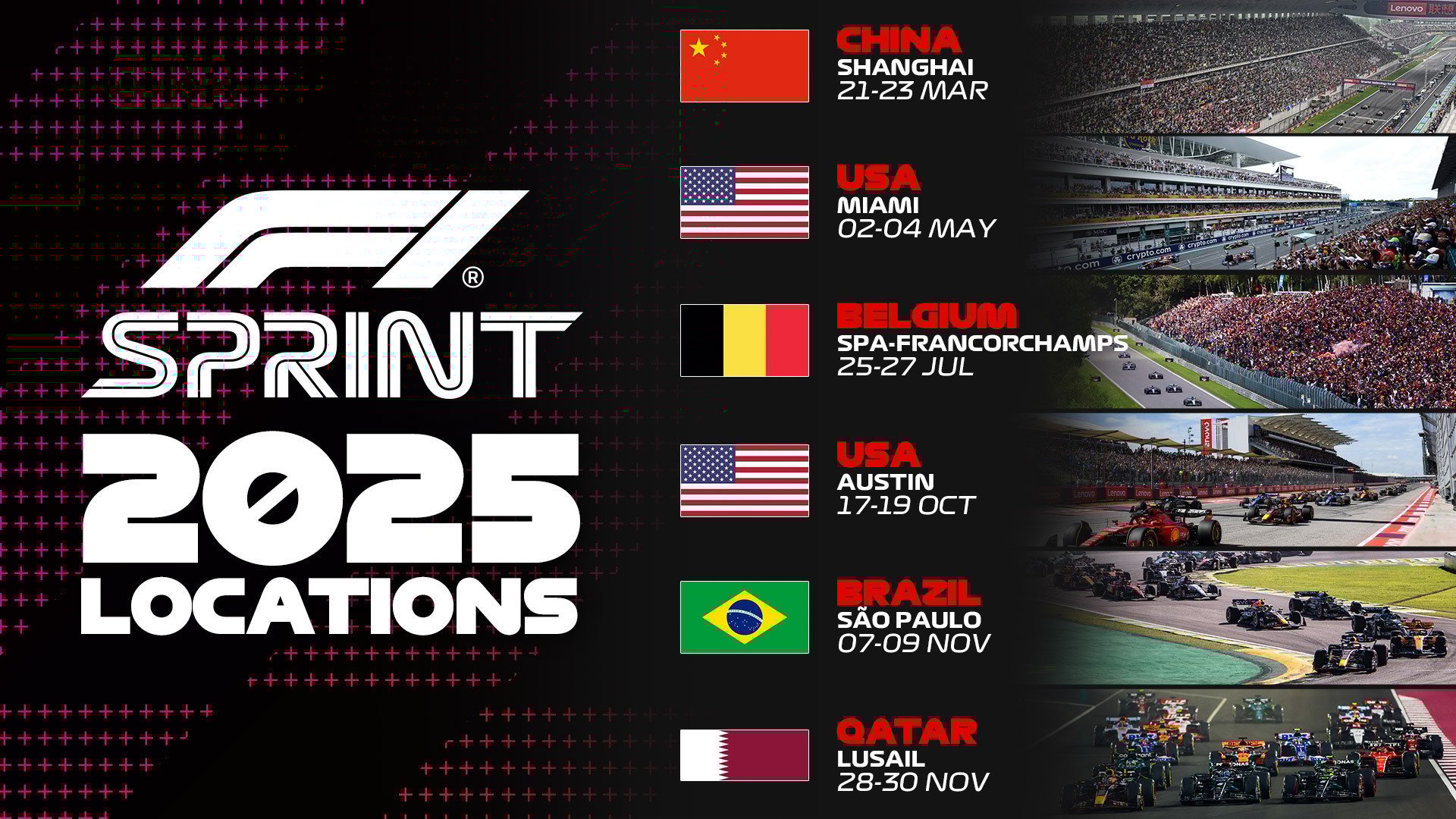
The Formula 1 Sprint, introduced in 2021, has transformed the traditional race weekend format, adding an exciting new dynamic to the already high-octane environment of Formula 1 racing. This distilled racing event lasts for just 100 kilometres (about 62 miles) and happens on Saturday, setting the grid for the main Grand Prix on Sunday. As interest in motorsports continues to grow, the Sprint format is a significant development in attracting a younger audience and enhancing viewer engagement.
The Format and Strategy
The Sprint weekend consists of a practice session, a qualifying session known as the Sprint Qualifying, and then the Sprint race itself. The qualifying session determines the starting order for the Sprint, where drivers race fiercely for points and an advantageous starting position for the Grand Prix.
Points are awarded to the top eight finishers in the Sprint, with the winner receiving three points, second place two points, and the third place one point. This addition encourages drivers to compete aggressively even in this shorter format, leading to thrilling overtakes and strategic battles. Teams have to rethink their approach, balancing performance settings and tire management over a shorter distance, making strategies even more critical.
Recent Developments
Throughout the 2023 season, several F1 Sprints were held, with events in countries like Austria, Belgium, and Brazil. The excitement surrounding these events has garnered mixed reactions from teams and fans alike. Some drivers have praised the format for adding an element of unpredictability and drama, while others have expressed concerns about the impact on driver fatigue and team resources.
One of the standout performances of 2023 was from Lewis Hamilton, who showcased his skill by clinching the victory in the Sprint in Belgium, which not only secured him crucial points but also set him up for a better position in the Grand Prix. The increase in competitive tension has made every Sprint a spectacle and well worth the fans’ attention.
Conclusion and Future Outlook
The F1 Sprint has already left a significant mark on the motorsport calendar, offering a fresh perspective on what fan engagement and race strategy can look like in modern Formula 1. As these races continue to develop, discussions about their impact on team dynamics and race weekends will surely shape the future of the sport. For fans, the F1 Sprint represents a thrilling addition to an already exciting series, providing more opportunities to witness competitive racing and dramatic confrontations between the world’s best drivers. As the sport moves forward, it is likely that the Sprint will evolve, potentially becoming a permanent fixture that continues to thrill audiences worldwide.
You may also like