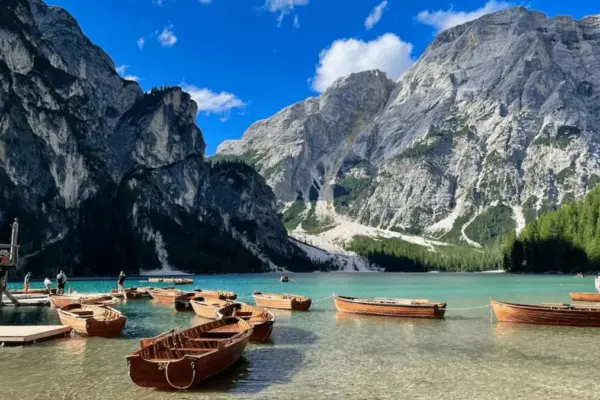
Introduction to the Dolomites
The Dolomites, a mountain range located in northeastern Italy, are renowned for their stunning natural beauty and unique geological formations. Designated as a UNESCO World Heritage Site in 2009, these majestic peaks attract millions of visitors annually, making them one of the top destinations for outdoor enthusiasts and nature lovers alike. The significance of the Dolomites extends beyond their picturesque landscapes; they are an essential part of the region’s cultural heritage and biodiversity.
Geography and Natural Features
The Dolomites comprise several peaks, with the highest being Marmolada, standing at 3,343 meters (10,982 feet). The landscape is characterised by steep cliffs, lush valleys, and vibrant alpine meadows, which bloom with wildflowers during the summer months. The region’s distinctive pale limestone mountains were formed over millions of years through geological processes, contributing to their dramatic appearance and appeal.
Adventure and Outdoor Activities
Visitors flock to the Dolomites year-round to partake in a variety of outdoor activities. During the winter months, skiing and snowboarding are popular, with numerous ski resorts offering slopes suitable for all levels of experience. Hiking and rock climbing are favoured in the summer, with hundreds of trails available to explore. The Alta Via 1 and Alta Via 2 are among the most famous trekking routes, providing breathtaking views and a unique chance to immerse oneself in nature.
Cultural Significance
The Dolomites are not only a natural wonder but also a rich cultural landscape. Historically, the area is known for its Ladin culture, which reflects a blend of Germanic, Romance, and Italian influences. Traditional villages, small family-run agriturismos, and local events showcase this unique heritage. Gastronomic experiences in the Dolomites often highlight local products, including speck, cheese, and various wines, adding to the travel experience.
Conclusion: The Future of the Dolomites
As tourism continues to grow, the need for sustainable practices becomes increasingly essential to preserve the Dolomites’ natural and cultural environment. Local authorities are focusing on promoting eco-friendly tourism, ensuring that this breathtaking area remains a thriving destination for future generations. Visitors are encouraged to respect the landscape and engage in responsible tourism behaviours. The Dolomites are a testament to nature’s beauty and resilience, promising adventure and serenity in equal measure for all who venture there.
You may also like