Introduction
Liverpool, a dynamic city located in Northwest England, holds significant cultural and historical importance, recognised as a UNESCO World Heritage site. Known for its maritime history, music scene, and sports achievements, Liverpool attracts millions of visitors each year. With recent developments, including the regeneration of its waterfront and a thriving arts scene, it continues to stand out as a beacon of cultural identity and innovation.
Historical Significance
Founded in 1207, Liverpool’s history is closely linked to its port, which played a key role in the transatlantic trade and the Industrial Revolution. In recent years, the city has embraced its past, with museums and galleries celebrating its rich heritage, such as the Merseyside Maritime Museum and the Beatles Story. These attractions not only tell the story of Liverpool’s economic history but also celebrate its contributions to music, particularly as the birthplace of The Beatles.
Cultural Landscape
The cultural fabric of Liverpool is vibrant and diverse. The city is home to renowned festivals, such as the Liverpool International Music Festival and the Liverpool Biennial, which showcase local and international talent. The Royal Liverpool Philharmonic Orchestra and the Liverpool Everyman Theatre are crucial in promoting the city’s artistic community. This artistic vitality is highlighted by the various street art installations throughout the city, making it a canvas of creativity.
Sports Legacy
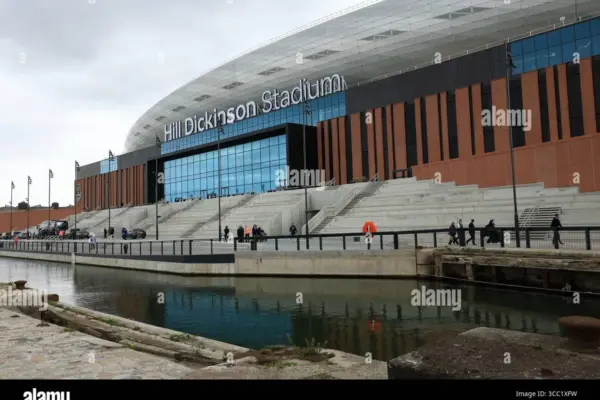
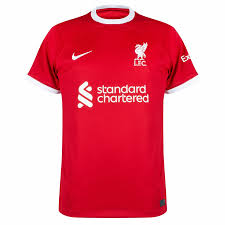
Liverpool is also famed for its impressive sports legacy, especially in football. The city hosts two of the most successful football clubs in English history: Liverpool FC and Everton FC. Liverpool FC’s Anfield stadium is a hallowed ground for football fans, known for its passionate atmosphere. Recent performances have seen both clubs compete at the highest levels, enhancing Liverpool’s reputation as a powerhouse in international sports.
Current Developments and Future Prospects
The city’s ongoing regeneration projects are set to further bolster Liverpool’s status as a premier destination for tourism and business. The Liverpool Waters project, which aims to transform the northern docks, will create new residential and commercial spaces, potentially boosting the local economy. Additionally, initiatives to enhance education and transport infrastructure indicate a bright future for residents and visitors alike.
Conclusion
In conclusion, Liverpool is a city that beautifully marries its rich history with a forward-thinking outlook. As it continues to evolve, the importance of culture and sport remains at the forefront of its identity. For residents and visitors, the city’s diverse offerings promise a unique experience that reflects both its past and its future. Liverpool is indeed a city worth exploring, as it thrives and evolves, ensuring its place on the world stage.
You may also like