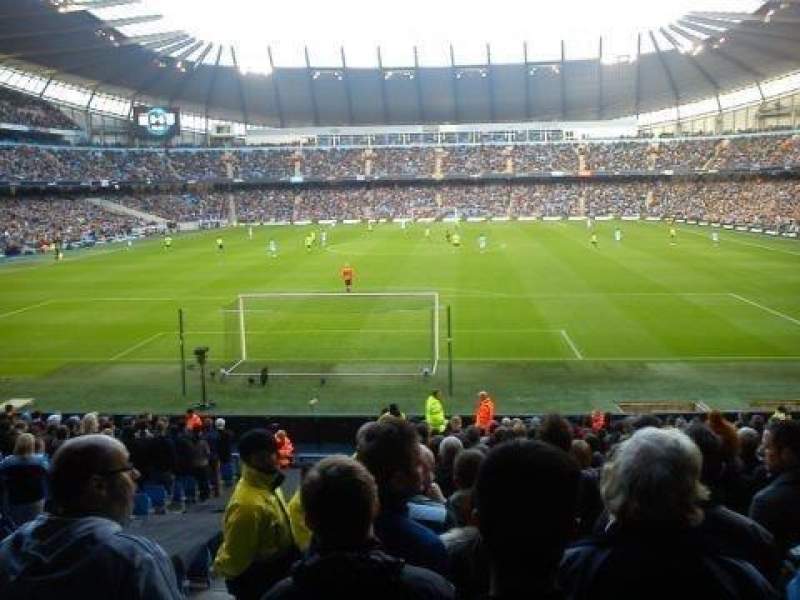
Introduction to Etihad Stadium
Etihad Stadium, home to Manchester City Football Club, is not only a venue for high-octane football matches but also a symbol of architectural innovation and community engagement in Manchester. Opened in 2003, this stadium has become a crucial component of the city’s identity, hosting numerous events, both on and off the pitch. With its capacity to hold over 53,000 spectators, it stands as a testament to modern sports infrastructure.
Recent Developments and Events
Recent years have seen Etihad Stadium play host to a series of significant events. In 2023, the stadium celebrated its 20th anniversary with a special match that drew celebrity attention and was attended by thousands of fans. Moreover, the stadium underwent several upgrades to enhance the spectator experience, including the introduction of advanced technologies and improved amenities.
Beyond football, the Etihad Stadium has served a multitude of purposes, including concerts by world-renowned artists and community events aimed at promoting health, wellbeing, and sports among young people. Notably, its partnership with local schools and organisations has strengthened community ties and provided opportunities for youth development.
Impact on the Local Economy
The economic significance of Etihad Stadium cannot be overstated. A 2022 report by the Manchester Institute of Economic Research indicated that the stadium contributes upwards of £1.4 billion annually to the local economy, creating jobs and attracting tourism. The influx of visitors for football matches, concerts, and other events bolsters local businesses, from hotels to restaurants, demonstrating the stadium’s role as an economic driver.
Future Prospects
Looking ahead, the future of Etihad Stadium appears promising as Manchester City’s plans for further expansion and enhancement continue to take shape. The club is exploring options to increase the stadium’s capacity and ensure its status as a leading venue in European football. With the ongoing development in the surrounding area, including new hospitality and entertainment options, the stadium is set to embolden Manchester’s standing as a premier sports city.
Conclusion
In summary, Etihad Stadium stands as a pillar of Manchester’s sporting culture, community engagement, and local economy. Its evolution and adaptability make it more than just a football ground; it is a venue that unites people, boosts the local economy, and shapes the future of sport in the region. For fans and residents alike, the significance of Etihad Stadium resonates beyond its walls, embodying the spirit of Manchester.
You may also like