Introduction
Loch Ness, located in the Scottish Highlands, is one of the most famous bodies of water in the world. Renowned for its stunning scenery and the legendary Loch Ness Monster, or Nessie, the area attracts hundreds of thousands of visitors annually. Beyond its mythical creature, Loch Ness offers rich historical significance, cultural heritage, and ecological importance, making it a subject of ongoing interest for researchers, tourists, and historians alike.
The Legend of Nessie
The legend of the Loch Ness Monster dates back to the sixth century, when Saint Columba was said to have encountered a creature in the loch. This narrative breathed life into local folklore, setting the stage for the modern fascination with Nessie, which surged in the 20th century as alleged sightings and photographs—including the famous 1934 Surgeon’s Photograp—captured public attention. In recent years, despite several scientific investigations employing sonar and underwater cameras, definitive proof of Nessie’s existence has eluded discovery, further fueling intrigue and debate.
Ecology and Environment
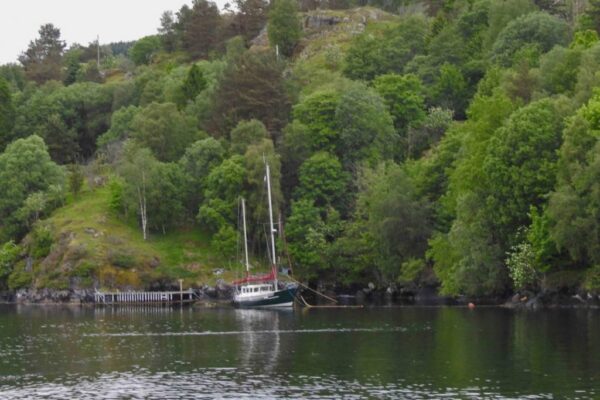
In addition to its mythical allure, Loch Ness is a vital ecosystem. Stretching approximately 23 miles (37 kilometres) in length and reaching depths of up to 755 feet (230 metres), it is one of the largest and deepest freshwater lochs in the UK. The waters are home to a variety of species, including salmon, trout, and eels. Furthermore, the surrounding area boasts an impressive array of wildlife, from deer and otters to various bird species. Preservation efforts from local organisations aim to maintain the natural beauty and biodiversity of the loch, crucial for both ecological balance and tourism.
Tourism and Future Developments
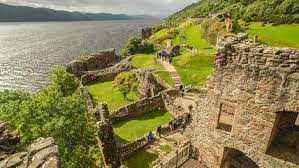
Tourism around Loch Ness has significantly propelled local economies, with many businesses relying on the influx of visitors drawn to the area for its natural beauty and activities such as boating, hiking, and exploring historical sites like Urquhart Castle. In response to growing interest, several initiatives have been launched to enhance tourist experience, including guided boat tours offering glimpses of the loch’s geological features and potential Nessie sightings. Future developments aim to combine sustainability with tourism, ensuring that Loch Ness remains a beloved destination for generations to come.
Conclusion
Loch Ness is a multifaceted destination that encapsulates adventure, myth, and natural beauty. The ongoing quest to uncover the truth about the Loch Ness Monster continues to capture the human imagination, while the loch itself remains a vital ecological site. With a commitment to sustainability and preservation, Loch Ness is poised to thrive as both a mythical and natural wonder, appealing to visitors and researchers alike in their pursuit of adventure, history, and environmental stewardship.
You may also like