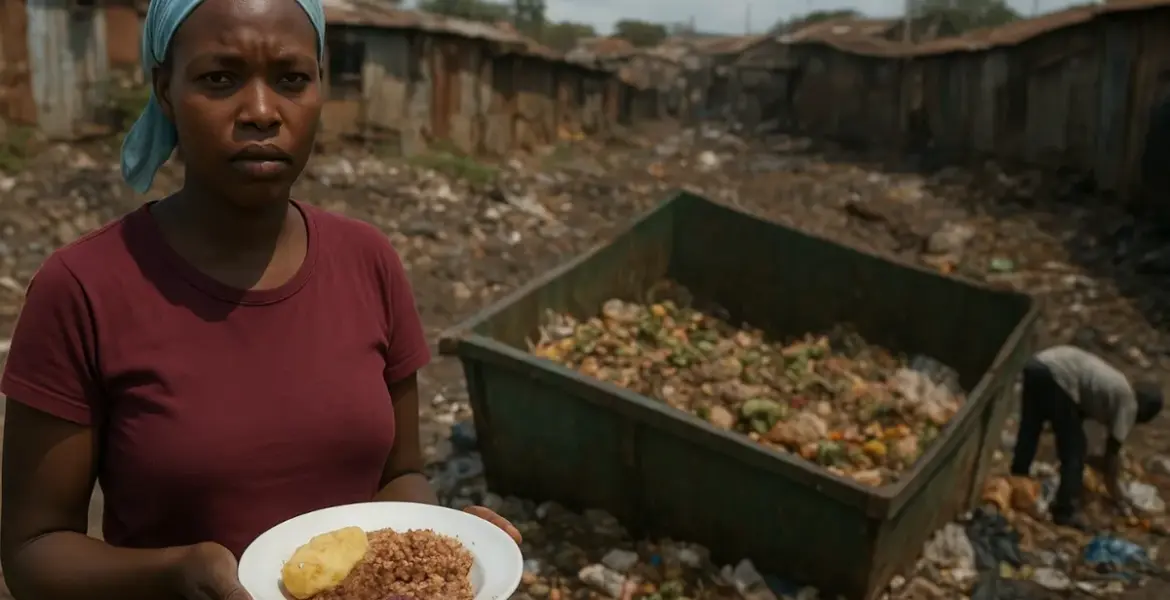
A new weekly food waste collection service has launched in Wrexham, targeting around 60,000 households. The goal? To significantly cut down on the staggering amounts of edible food that end up in the trash. Last year, residents tossed away an average of £800 worth of perfectly good food.
Before this initiative, Wrexham faced a persistent issue: nearly a third of household rubbish was made up of food waste—much of it incinerated rather than recycled. Cllr Terry Evans pointed out that “unfortunately, in Wrexham we’re seeing far too much food waste, and lots of it isn’t being recycled by residents.” The introduction of this service aims to change that narrative.
Since its launch, early numbers indicate promising results. Households are encouraged to separate their organic waste and participate actively in this program. If just 25% of the wasted food could be saved, it could feed 870 million hungry people globally—a staggering statistic that puts things into perspective.
Food Waste Statistics:
- 33% of all food produced gets wasted every year.
- Almost 50% of all fruits and vegetables produced are discarded annually.
- The average household throws away around £800 of edible food each year.
This new service aligns with broader efforts across the UK to enhance recycling initiatives. Yet, Wrexham still struggles; under half of its residents currently recycle their food waste. There’s a clear need for education and motivation surrounding the importance of food recycling.
In contrast, France has taken a firmer stance on this issue. Supermarkets over 400 square meters are mandated by law to donate unsold edible food to charities—a step many believe Wrexham could learn from. As one expert noted, “Why are we still treating edible food as waste in the first place?” This question resonates deeply in light of the ongoing challenges with food waste management.
As Wrexham’s initiative unfolds, officials will monitor its impact closely. The hope is that this service not only reduces waste but also shifts community attitudes toward how we view and handle surplus food—making it clear that edible items should never be treated as refuse.
You may also like