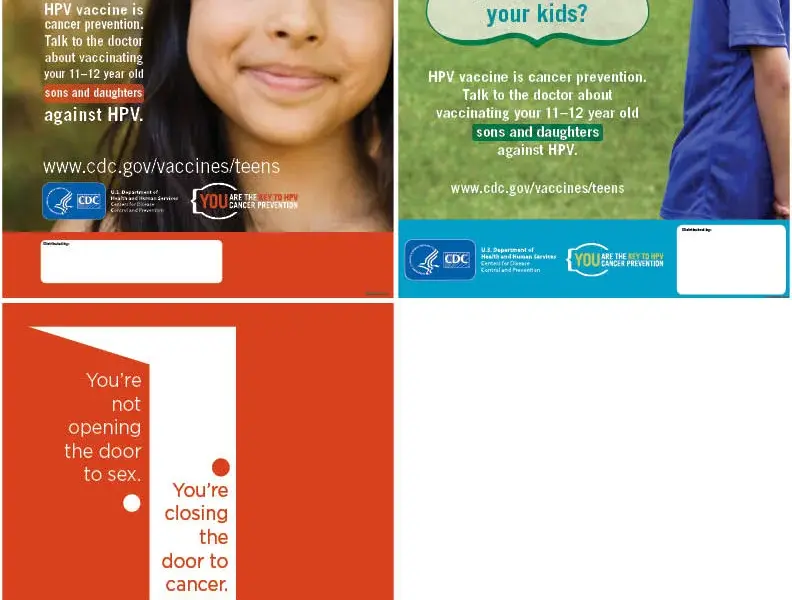
Cervical cancer is a devastating disease that claims approximately 340,000 lives each year, making it the fourth most common cancer among women globally. The urgency to combat this public health crisis is underscored by the stark reality that women in lower-income countries are three times more likely to develop cervical cancer and six times more likely to die from it compared to their counterparts in wealthier nations. The introduction and widespread adoption of the HPV vaccine could be a game-changer in this battle.
Despite the availability of preventive measures, including the HPV vaccine, the challenge remains significant. Vaccination typically occurs during adolescence, a period when routine pediatric visits are less common. This gap in healthcare access can lead to lower vaccination rates, particularly in underserved communities. However, organizations like PATH are stepping in to address these challenges. They have collaborated with immunization program managers to assess the operational context and estimate the ongoing costs of HPV vaccine delivery in various countries.
The study conducted by PATH provided critical insights into implementing a two-dose HPV vaccination schedule in six countries: Ethiopia, Guyana, Rwanda, Senegal, Sri Lanka, and Uganda. These findings are vital as they highlight the potential for effective vaccination strategies tailored to different contexts, ultimately aiming to increase coverage and save lives.
According to the World Health Organization (WHO), 90% of girls should be vaccinated against HPV by the age of 15 as part of the 90-70-90 targets set for 2030 to eliminate cervical cancer as a public health threat. Rwanda stands out as a beacon of hope, having achieved an impressive vaccination coverage rate of nearly 98%. This success story serves as a model for other nations striving to meet these ambitious targets.
It is alarming that more than 90% of cervical cancer deaths occur in low- and middle-income countries, where access to healthcare and preventive measures is often limited. The WHO emphasizes that cervical cancer should no longer be a cause of death for women. “The tragedy is not just the scale of the disease—it is the inequality behind it,” a spokesperson from the WHO stated, highlighting the urgent need for equitable healthcare solutions.
As we mark significant milestones like the first World Cervical Cancer Elimination Day in November 2025, the call to action is clear. Cervical cancer elimination must become a financing priority, and the tools to achieve this goal are already at hand. The window for action is open, and it is imperative that governments and health organizations mobilize resources to ensure that every girl has access to the HPV vaccine.
While the path forward is promising, uncertainties remain. Details about the long-term sustainability of vaccination programs and their impact on cervical cancer rates in various regions are still being evaluated. However, the potential to eliminate cervical cancer as a public health threat is within reach if we act decisively and equitably.
You may also like