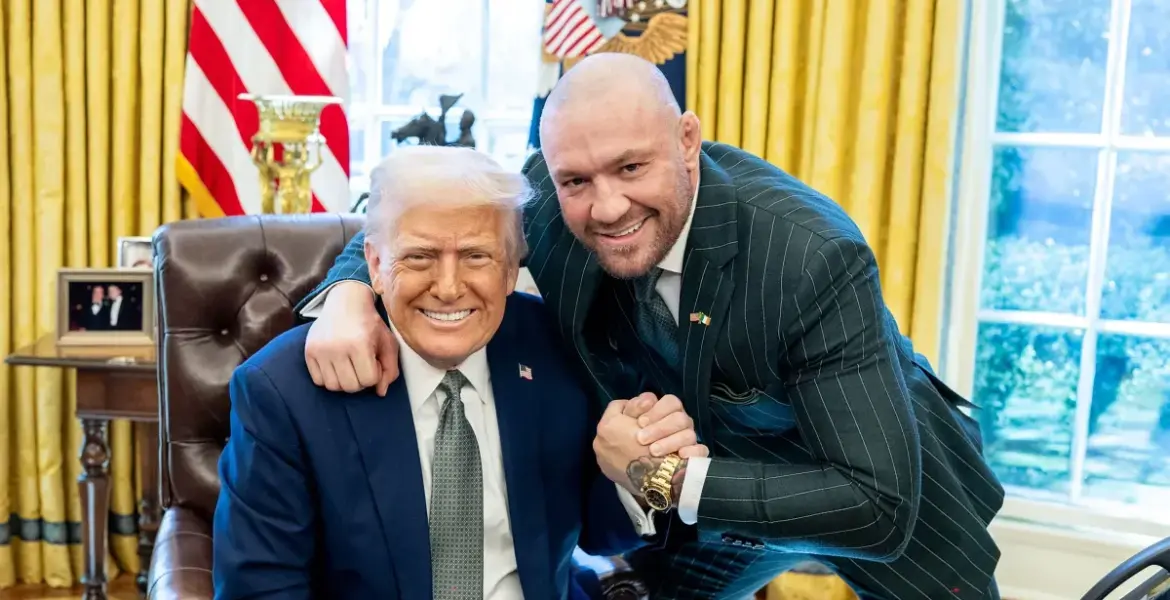
It’s April 2026. The sun hangs low over Washington D.C., casting long shadows across the White House lawn. Inside, the atmosphere buzzes with anticipation. President Donald Trump—his voice carrying a hint of disbelief—leans back in his chair, eyes wide as he asks, “Can I have some, please?” This isn’t just a casual remark; it’s about ibogaine, a compound that’s been gaining traction in discussions of addiction recovery.
Just four years earlier, in 2022, Texas made headlines by approving $50 million for ibogaine research. This was no small feat; it marked a turning point in how psychedelics were perceived in the U.S. Amidst this backdrop, Joe Rogan—a vocal advocate for psychedelic therapies—had been sharing stories about ibogaine on his podcast. “Ibogaine, in particular, has helped a lot of people. It gives you, like, a review of your life, apparently,” he said, capturing the attention of many who struggled with addiction.
Fast forward to 2023—the FDA announced an executive order to facilitate access to psychedelic drugs like ibogaine. The Department of Health earmarked at least $50 million to develop programs targeting serious mental illnesses. Suddenly, there was hope where there had been despair. Ibogaine’s potential was being recognized at the highest levels of government.
But what is ibogaine? Extracted from the root bark of the West African shrub Tabernanthe iboga, this naturally occurring psychoactive compound affects opioid receptors and influences dopamine pathways related to reward and motivation. Patients undergoing treatment often report significant reductions in withdrawal symptoms and cravings. The experience itself can be intense—lasting anywhere from 12 to 36 hours—with vivid visions that many describe as life-changing.
Despite its promise, challenges loom large. Ibogaine remains classified as a Schedule I substance in the U.S., alongside heroin—a fact that has deterred many from seeking treatment through official channels. Moreover, at least 27 deaths have been documented following ibogaine use according to reports from 2023; caution is warranted.
In recent years, nonprofit groups have emerged to assist military veterans using ibogaine to treat combat-related traumas. These initiatives highlight another dimension of the compound’s potential—its ability to address not just addiction but also deeper psychological scars borne from service.
The conversation around ibogaine has reached new heights with figures like Conor McGregor entering the dialogue. His endorsement could sway public perception further—bringing more visibility to the ongoing research and its implications for recovery.
This sequence of events matters immensely for those involved—patients desperate for relief from addiction and trauma alike are looking toward options that had previously been shunned or ignored. As more states consider legislation similar to Texas’, the landscape for psychedelic research is shifting rapidly. The hope is palpable; it’s not just about recovery anymore—it’s about reclaiming lives.
Related posts: