Introduction
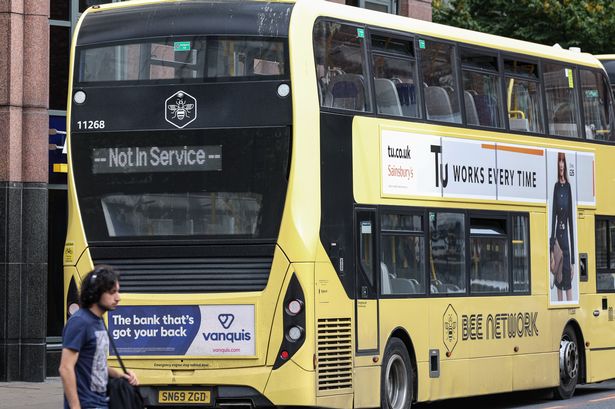
The recent bus strike in Manchester has emerged as a significant disruptor of daily life for thousands of residents and commuters. With public transport being a vital component of urban mobility, the strike’s ramifications extend beyond just transportation; it also affects the economy and the general well-being of the community. As negotiations continue between bus operators and unions, understanding the developments is crucial for those reliant on public transport.
Overview of the Strike
The bus strike in Manchester began on October 2, 2023, following a breakdown in negotiations over wages and working conditions. Approximately 1,200 bus drivers represented by the Unite union walked off the job, demanding a raise that reflects the rising cost of living and the increased workload they face. According to the union, the drivers have not received a pay rise in over three years, causing frustration and prompting action.
Impacts on Commuters and Services
The strike has resulted in significant disruptions to services, with many routes either cancelled or severely limited. Commuters have reported long waits for alternative transport means, leading to increased traffic congestion and crowds on the streets. Local businesses and schools have also felt the impact, as many employees and students rely on buses for their daily commute. A survey conducted by a local news outlet revealed that over 60% of bus users have been late to work or classes due to the disruptions.
Response from Authorities
Manchester’s Mayor, Andy Burnham, expressed his concern over the situation, urging both parties to return to the negotiating table. He emphasized the importance of finding a resolution quickly to ensure that residents can return to their regular routines. The Transport for Greater Manchester (TfGM) has also been working to provide alternate transport options, such as additional trains and enhanced cycling facilities, to help ease the burden on commuters.
Conclusion
The ongoing bus strike in Manchester highlights the delicate balance between fair employment practices and the needs of the community. As negotiations continue, there is hope for an agreement that will lead to improved working conditions for bus drivers while restoring reliable services for commuters. The outcome of this dispute will have lasting implications not just for those directly involved but for the entire Greater Manchester area. Residents hope for a swift resolution, and barriers to public transport will hopefully be dismantled soon, allowing the city to return to normalcy.
You may also like