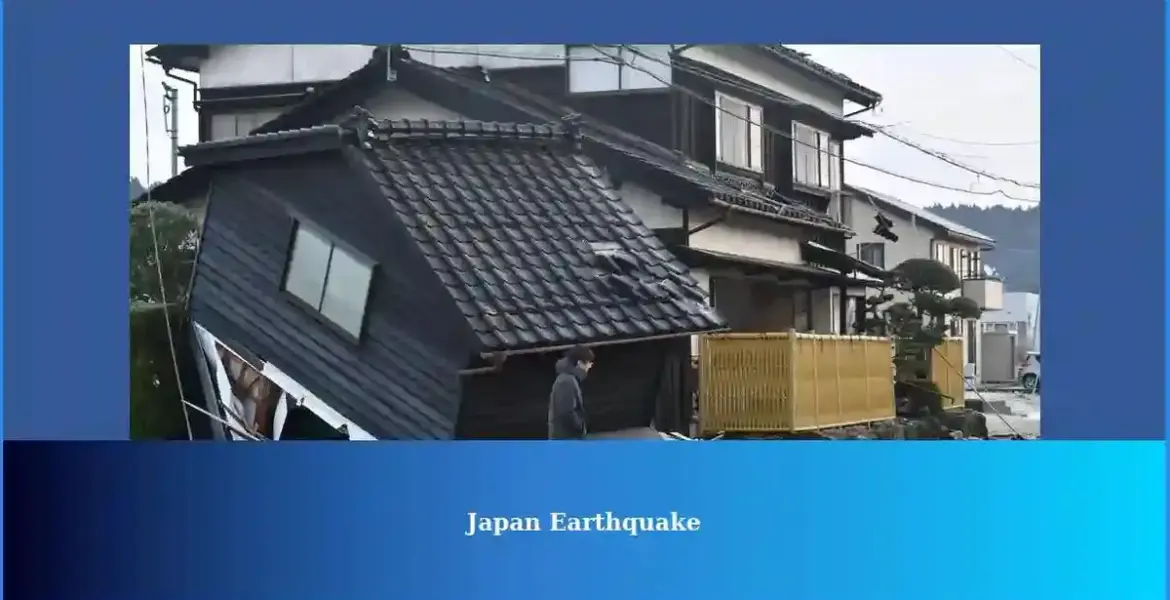
At 4:53 PM local time, the earth trembled beneath Japan’s northeastern coast—an unsettling reminder of the country’s seismic reality. A magnitude 7.7 earthquake struck near Sanriku, sending ripples of anxiety across five prefectures. Waves between one and three meters were initially feared, prompting the Japan Meteorological Agency to issue urgent tsunami warnings.
More than 156,000 people evacuated coastal regions, scrambling to higher ground or evacuation buildings. For many, the memories of the devastating 2011 Tohoku earthquake loomed large—when over 18,000 lives were lost and Fukushima’s nuclear plant faced catastrophe.
“Please take anti-disaster steps,” a government official urged, echoing the sentiments of those who remember the past tragedies all too well. The urgency was palpable—an entire nation on alert.
As residents fled their homes, emergency task forces sprang into action. The government set up operations to ensure safety amid chaos. Thankfully, no casualties or major damage were reported this time around—though around 100 homes lost power.
Japan is no stranger to earthquakes; it experiences about 1,500 each year. Situated in the ‘Ring of Fire,’ it accounts for 20 percent of the world’s earthquakes recorded at a magnitude of six or higher. Yet each tremor stirs a collective fear that reverberates through its history.
The tsunami warnings were later downgraded to advisories—a relief for many who had sought refuge in evacuation centers. Still, officials warned residents not to let their guard down: “Tsunami waves are expected to hit repeatedly. Do not leave safe ground until the warning is lifted,” they cautioned.
In moments like these, uncertainty hangs heavy in the air. What if another quake follows? Experts suggest a slim one percent probability for a larger aftershock—but that does little to quell concern.
As night fell over Japan, communities began to regroup and assess the situation—relieved but vigilant. The resilience of this nation shines through its preparedness, yet echoes of past disasters linger like shadows on the shore.
For now, the immediate threat has subsided—but vigilance remains key. In a country where nature’s fury is an ever-present reality, every tremor becomes a reminder: safety first, always.
You may also like