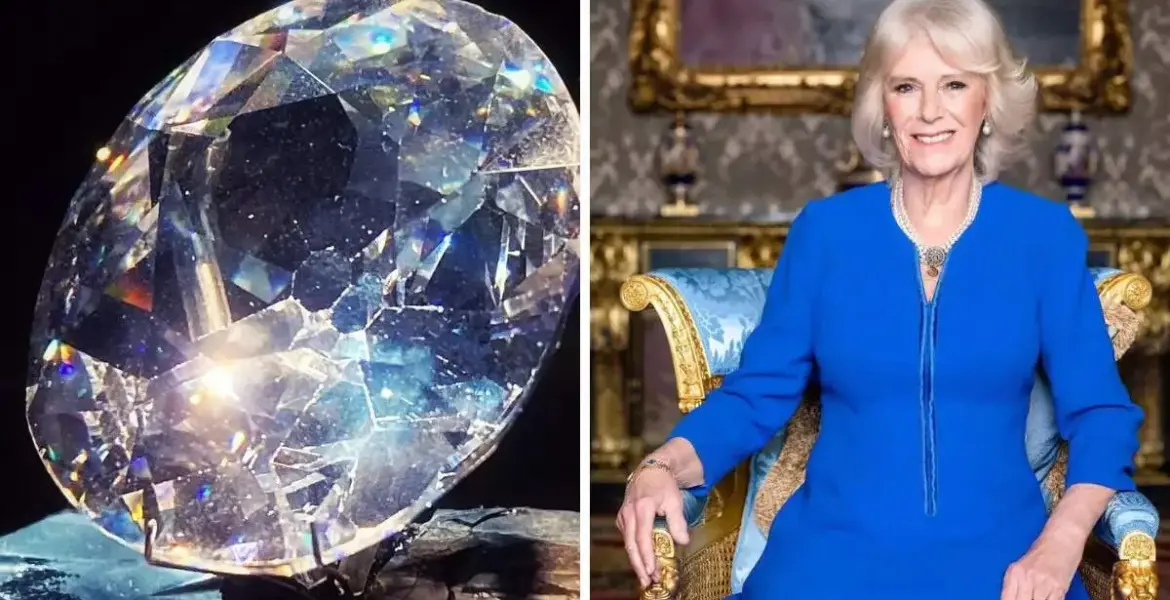
“If I was to speak to the king separately from that, I would probably encourage him to return the Kohinoor diamond,” said New York City Mayor Zohran Mamdani. His statement during a recent press conference not only reignited discussions around the famed gem but also underscored the complex web of historical injustices tied to colonial artifacts.
The Koh-i-Noor diamond, which has been part of the British Crown Jewels since 1849, has a tumultuous history. Originally discovered in India—likely in the Kollur mine of present-day Andhra Pradesh—the diamond was ceded to Queen Victoria as part of the Treaty of Lahore after Punjab’s annexation. Over time, it has become a symbol in debates about restitution and colonial legacy.
Mamdani, who made history as New York’s first South Asian, Muslim, and African-born mayor, is aware of the weight this conversation carries. The diamond’s journey from India to Britain is more than just a tale of wealth; it’s a narrative filled with claims and counterclaims. India asserts that it was stolen, while Iran and Pakistan have also laid their own claims to this dazzling stone.
Key historical facts:
- The diamond originally weighed 793 carats before being cut down to 186 carats and then further reduced to its current weight of 105.6 carats.
- It was handed over to the British Crown by Lord Dalhousie in 1849.
- The Koh-i-Noor has been a point of contention between the U.K. and India since at least 1947.
As Mamdani pointed out, “The diamond has been a major bone of contention between the U.K. and India; however, Iran and Pakistan have also laid claims to the stone.” This highlights how deeply intertwined these nations’ histories are with colonial exploits. The ongoing calls for its return reflect broader conversations about restitution and acknowledgment of historical injustices—issues that resonate strongly today.
Yet, despite these calls, no clear path forward exists. Officials have not outlined any plans for discussions between Mamdani and King Charles III regarding this matter. The Koh-i-Noor remains securely stored at the Tower of London, its fate uncertain amidst ongoing diplomatic tensions.
In many ways, this diamond symbolizes not just wealth but also a painful past—a reminder that he who owns this diamond will own the world but will also know all its misfortunes. As conversations around restitution continue to evolve, so too does the narrative surrounding this storied gem.
You may also like