Introduction
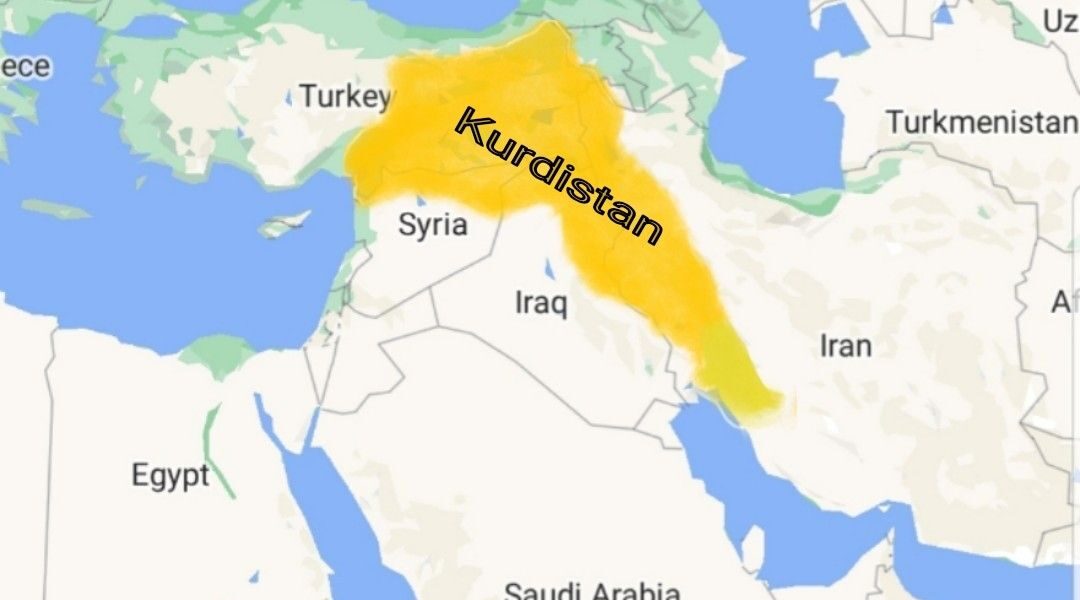
Kurdistan, a region culturally and historically associated with the Kurdish people, spans across parts of Iraq, Turkey, Syria, and Iran. In recent years, the significance of Kurdistan has surged, driven by its socio-political dynamics, economic resources, and aspirations for autonomy. Understanding the developments in Kurdistan is essential not only for those interested in Middle Eastern politics but also for a global audience given the intricate webs of alliances and conflicts that define the region.
Recent Developments
As of 2023, Kurdistan is witnessing a series of transformative events. In Iraq’s semi-autonomous Kurdistan Region, political stability has become crucial due to economic challenges stemming from fluctuating oil prices and the aftermath of the COVID-19 pandemic. The Kurdish Regional Government (KRG) has been navigating complex relations with the Baghdadi government, especially regarding budget allocations and oil exports. In August 2023, the KRG accused the Iraqi central government of withholding funds necessary for public services, creating tensions that could escalate if not addressed.
In Turkey, the Kurdish population has faced ongoing challenges related to freedom of expression and political representation. Following the outcome of the recent elections, which saw a rise in pro-Kurdish political activism, the Turkish government’s response has included crackdowns on political leaders and activists. This has sparked protests and has drawn international attention to the treatment of Kurds in Turkey.
Meanwhile, in Syria, the Kurdish-led Syrian Democratic Forces (SDF) have played a critical role in combating ISIS but remain in a precarious position as geopolitical alliances shift. The SDF’s administration in northeastern Syria has fostered a degree of autonomy, but the lack of international recognition complicates its future.
Conclusion
The significance of Kurdistan in contemporary politics cannot be understated. The interplay between a desire for autonomy, resource management, and international relations continues to shape the region’s trajectory. As political unrest persists and foreign interests converge upon this pivotal area, understanding Kurdistan’s dynamics is crucial for grasping broader Middle Eastern affairs. The resolutions of the challenges facing Kurdistan today could have far-reaching implications for regional stability and global geopolitical patterns in the years to come.
You may also like