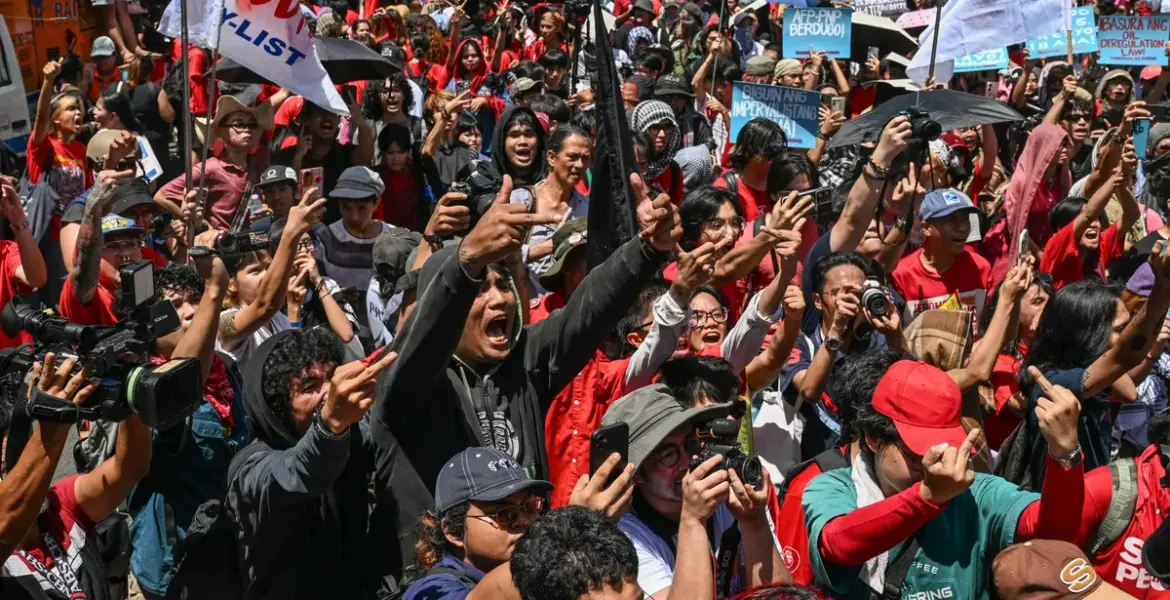
Across the globe, workers gathered on May 1 to celebrate Labour Day, but this year’s events were overshadowed by protests against rising energy prices and an urgent call for solidarity. From the bustling streets of Paris to the vibrant squares of Manila, trade unions rallied together, voicing their concerns over deteriorating economic conditions.
In Argentina, thousands took to the streets, denouncing President Javier Milei’s recent overhaul of labour protections. The cries for justice echoed through the crowd as they demanded fair wages amidst soaring inflation. Meanwhile, in Gaza, Palestinian workers faced a different reality—over 550,000 individuals remained without income due to the ongoing economic crisis exacerbated by conflict.
Key statistics from Labour Day events:
- 93 trade union organisations represented by the European Trade Union Confederation participated in various rallies across Europe.
- In Gaza and the West Bank, over 550,000 workers reported having no income.
- The origins of International Workers’ Day date back to 1886, following a general strike advocating for better working conditions.
- The Trades Union Congress was founded in Britain in 1868, marking a significant step in the labour movement’s history.
The atmosphere was charged with urgency. “Every Filipino worker now is aware that the situation here is deeply connected to the global crisis,” remarked Josua Mata, highlighting how interconnected these struggles have become. In France, protestors chanted slogans demanding higher wages and economic relief—“There will be a louder call for higher wages and economic relief because of the unprecedented spikes in fuel prices,” said Renato Reyes from a local trade union.
This year’s Labour Day marks not just a celebration but a reflection of an ongoing struggle—one that began with significant events like the Haymarket Affair in 1886, which catalyzed the establishment of International Workers’ Day. As workers unite globally, their voices resonate with a singular message: they refuse to shoulder the burden of an economic crisis that seems to impact them disproportionately.
The call for solidarity is more than just a rallying cry; it’s a lifeline amid rising costs and stagnant wages. “Working people refuse to pay the price for Donald Trump’s war in the Middle East,” echoed representatives from various unions as they stood united against geopolitical tensions affecting their livelihoods.
As Labour Day celebrations conclude, it’s clear that while history commemorates past struggles, today’s workers face new challenges that demand collective action and unwavering resolve. The next steps remain uncertain, but one thing is clear: these voices will continue to rise until real change is achieved.
You may also like